The hourglass funnel helps businesses understand and guide the customer journey. It expands on the traditional marketing funnel by adding post-purchase stages.
This model lets businesses focus on the entire customer lifecycle, from initial awareness to long-term loyalty and advocacy.
Many companies invest heavily in acquiring new customers and overlook existing ones. The hourglass funnel model solves this by emphasising customer retention and satisfaction.
By nurturing relationships after the sale, businesses turn one-time buyers into repeat customers and brand champions.
- The hourglass funnel extends the traditional marketing funnel to include post-purchase stages
- It emphasises customer retention and satisfaction to increase lifetime value
- This model helps create strategies for ongoing engagement and sustainable growth
Understanding the Hourglass Funnel
The hourglass funnel expands on traditional sales models. It focuses on the entire customer journey, from initial awareness to long-term loyalty and advocacy.
Evolution from Traditional Sales Funnel
The traditional sales funnel has long been a staple of marketing strategies. It includes stages like awareness, interest, consideration, and purchase.
This model guides customers towards a sale. The hourglass funnel takes this further and continues to engage customers after they buy.
This approach recognises that a sale isn’t the end of the customer journey. After conversion, the funnel widens again to reflect the ongoing relationship between brand and customer.
It’s about nurturing loyalty and encouraging repeat business.
Defining the Hourglass Approach
The hourglass funnel gives a holistic view of the customer lifecycle. It includes stages before and after the purchase.
The top half mirrors the traditional funnel, focusing on awareness and interest. The bottom half is where it differs.
Here, we see stages like satisfaction, loyalty, and advocacy. These stages are crucial for building lasting customer relationships.
This approach values post-purchase interactions. Happy customers can become brand ambassadors and drive new business through word-of-mouth and referrals.
Stages of the Hourglass Funnel
The hourglass funnel model expands on the traditional sales funnel by focusing on post-purchase customer engagement. This approach aims to turn customers into loyal advocates for the brand.
Awareness Stage
In this stage, potential customers become aware of our brand or product. We use various marketing channels to reach our target audience and grab their attention.
These may include:
• Social media campaigns
• Search engine optimisation
• Content marketing
• Paid advertising
Our goal is to create a strong first impression and spark interest. We craft compelling messages that highlight our unique selling points and address common pain points.
Brand visibility is crucial at this stage. We aim to stand out from competitors and make a lasting impact.
Consideration Stage
As prospects move into the consideration stage, they evaluate our offerings more closely. We provide detailed information about our products or services to help them decide.
Key activities in this stage include:
• Sharing educational content
• Offering product demonstrations
• Providing customer testimonials
• Answering frequently asked questions
We focus on building trust and credibility during this phase. Our aim is to position ourselves as the best solution for the customer’s needs.
Personalised communication is effective here. We tailor our messaging to address specific concerns of different customer segments.
Purchase Stage
At this stage, the customer decides to buy our product or service. We make the buying process smooth and straightforward to encourage conversions.
Key elements of an effective purchase stage include:
• Clear pricing information
• Easy-to-use checkout process
• Multiple payment options
• Clear return and refund policies
Customer support is crucial at this stage. Our team stands ready to address any last-minute questions or concerns.
Post-Purchase Engagement
After the sale, we enhance the customer’s experience with our product or service. This stage is critical for building long-term relationships and encouraging repeat business.
Our post-purchase engagement strategies include:
• Sending follow-up emails
• Offering product usage tips
• Providing excellent customer support
• Gathering feedback for improvement
We aim to exceed expectations and resolve issues promptly. This prevents buyer’s remorse and encourages positive word-of-mouth.
Loyalty and Advocacy
In the final stage, we work to turn satisfied customers into brand advocates. These loyal customers make repeat purchases and recommend our brand to others.
We implement various strategies to foster loyalty:
• Loyalty programmes with exclusive benefits
• Personalised offers based on purchase history
• Early access to new products or features
• Opportunities for customers to provide feedback
Encouraging referrals is a key focus at this stage. We may offer incentives for customers who bring in new business.
By nurturing these relationships, we create a network of brand ambassadors who help drive growth and reduce marketing costs.
Maximising Customer Lifetime Value
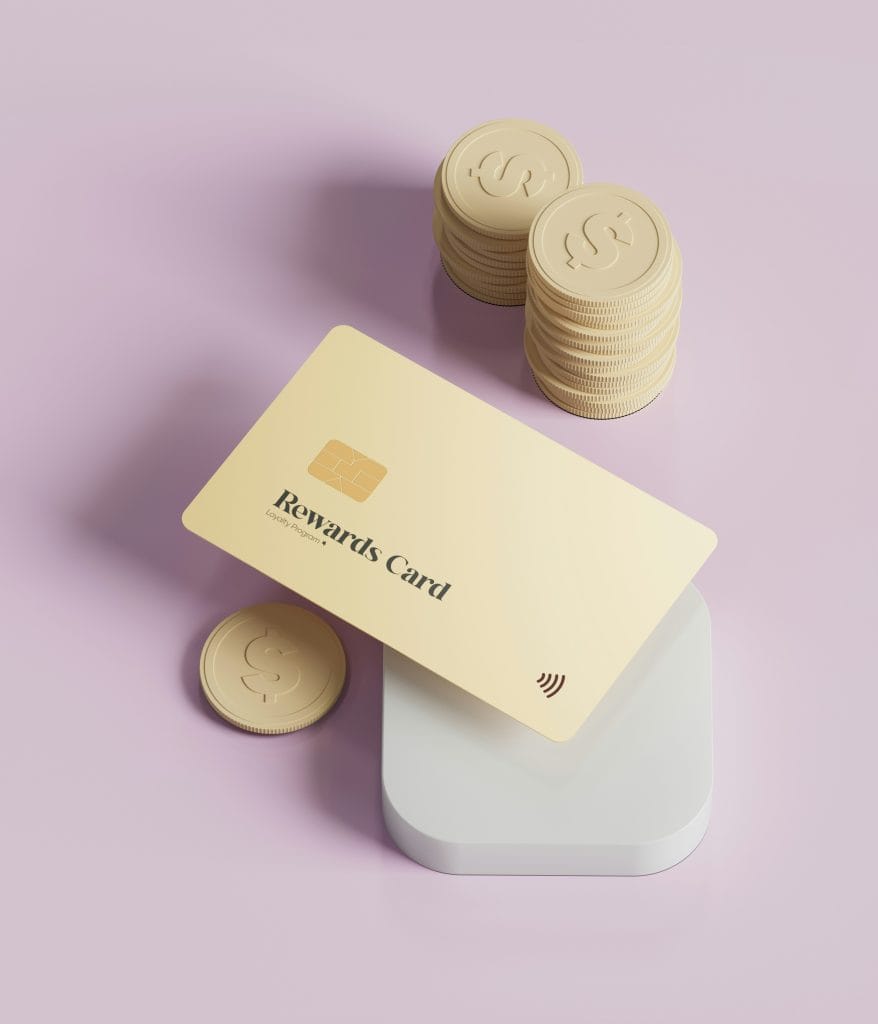
The hourglass funnel model emphasises customer retention and loyalty after the initial sale. This approach can greatly boost customer lifetime value through ongoing engagement and repeat business.
Building Trust and Customer Satisfaction
Trust and satisfaction are key to maximising customer lifetime value. We deliver exceptional products and services consistently.
Quick responses to queries and concerns show customers we value them. Personalised interactions make customers feel special.
We use data to tailor communications and offers. Regular feedback surveys help us improve and show we care about their opinions.
Transparent policies on returns, data use, and pricing build trust. We’re clear about what customers can expect from us.
When we make mistakes, we own up to them and resolve issues quickly.
Strategies for Encouraging Repeat Purchases
To boost repeat purchases, we create loyalty programmes with meaningful rewards. Points systems, exclusive discounts, and early access to new products encourage customers to buy again.
We use targeted email campaigns to remind customers of our value. Personalised product recommendations based on past purchases can spark interest.
Limited-time offers create urgency. Upselling and cross-selling work well when we suggest complementary products that enhance the customer’s experience.
Bundle deals provide great value for customers and increase our sales. Regular check-ins, such as ‘We miss you’ emails, can re-engage dormant customers.
We offer special ‘welcome back’ discounts to encourage them to return.
Leveraging the Hourglass for Lead Generation

The hourglass funnel offers unique advantages for lead generation. It helps create a steady flow of quality leads and turns customers into brand advocates.
The Role of Content Marketing
Content marketing plays a crucial role in the hourglass funnel approach. We create valuable content for each stage of the customer journey.
This keeps leads engaged and moving through the funnel. At the top, we use blog posts and social media to attract new leads.
In the middle, we offer whitepapers and case studies to nurture interest. At the bottom, we provide detailed product guides and demos.
After purchase, we continue to engage customers with helpful tips and exclusive content. This turns them into loyal fans who bring in new leads.
Lead Nurture and Scoring
Lead nurturing is key to the hourglass model. We build lasting relationships with leads.
We use email campaigns and personalised content to guide leads through each stage. As they interact with our content, we score their actions.
This helps us know when they’re ready to buy. High-scoring leads get more attention from our sales team.
Low-scoring leads receive more nurturing content. This targeted approach makes our lead generation process more efficient.
The hourglass model also helps with customer retention. We continue nurturing after the sale, encouraging repeat purchases and referrals.
Digital Marketing and the Hourglass Funnel

Digital marketing plays a crucial role in the hourglass funnel model. It helps businesses connect with customers at every stage of their journey.
We use social proof and digital tools to engage and convert customers effectively.
Integrating Social Proof and Testimonials
Social proof is a powerful tool in digital marketing. It builds trust and credibility for our brand.
We use client testimonials and success stories throughout the hourglass funnel.
In the awareness stage, we showcase positive reviews on our website and social media. This helps attract potential customers.
During the consideration phase, case studies and detailed testimonials can sway decisions. We highlight how our product or service solved specific problems for past clients.
Even after purchase, social proof remains important. We encourage satisfied customers to share their experiences.
This creates a cycle of positive feedback that attracts new leads.
Effective Use of Digital Marketing Tools
Digital marketing tools are essential for implementing the hourglass funnel strategy. We use these tools to reach and engage customers at various touchpoints.
Email marketing platforms help us nurture leads and maintain relationships with existing customers. We send targeted content based on where each person is in their journey.
Social media management tools allow us to consistently engage with our audience. We use them to share valuable content and respond to customer queries promptly.
Analytics tools help us track the effectiveness of our efforts. We monitor key metrics at each stage of the funnel to optimise our strategy.
Marketing automation lets us deliver personalised experiences at scale. We set up workflows to guide prospects through the funnel with relevant content and offers.
Cultivating Customer Engagement and Loyalty
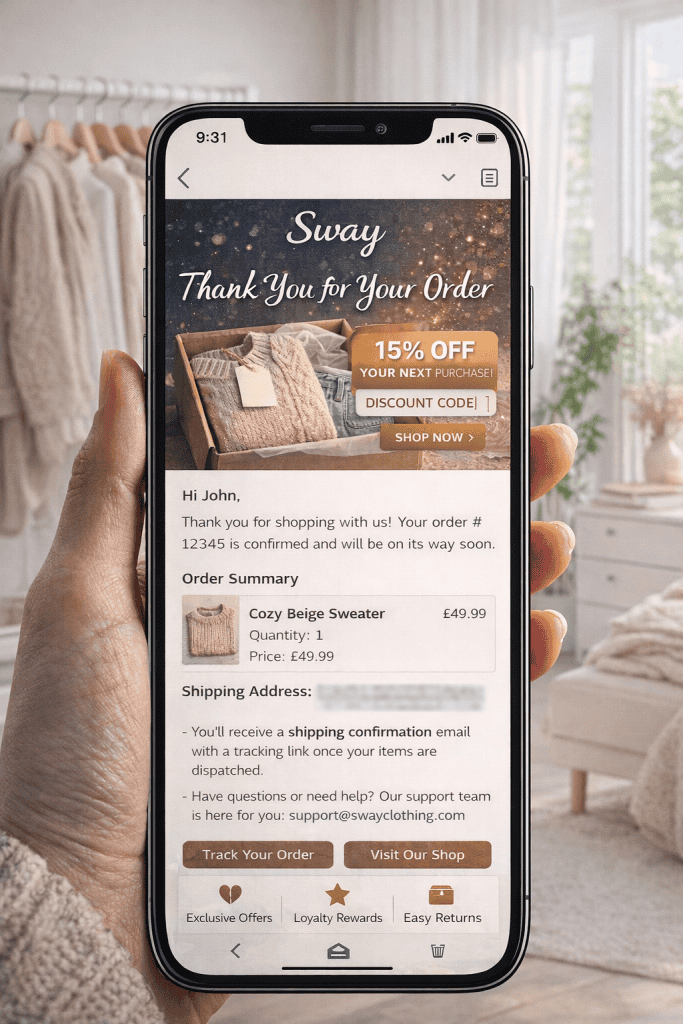
The hourglass funnel model puts customer engagement and loyalty at the forefront. We use proven strategies to keep customers coming back and turn them into brand champions.
Implementing Loyalty Programmes
Loyalty programmes foster repeat business. We create a tiered system that rewards customers based on their spending or engagement levels.
This approach encourages ongoing interaction with our brand.
Here are key elements of an effective loyalty programme:
- Points system: Customers earn points for purchases, reviews, or referrals
- Exclusive perks: Early access to sales, free shipping, or special events
- Personalised offers: Tailored discounts based on purchase history
We track customer behaviour to fine-tune our loyalty offerings. This data helps us understand what motivates our customers and how to keep them engaged long-term.
Creating Brand Advocates
Brand advocates are our most valuable assets. These loyal customers make repeat purchases and spread positive word of mouth.
To nurture brand advocates, we deliver exceptional customer experiences at every touchpoint.
Ways to turn customers into advocates:
- Provide top-notch customer service
- Seek and act on feedback
- Offer exclusive ‘insider’ content
- Highlight customer success stories
We use social media to amplify the voices of our brand advocates. Encouraging user-generated content and showcasing customer testimonials builds trust with potential buyers.
By consistently exceeding expectations, we create a loyal customer base that becomes an extension of our marketing team.
These advocates drive organic growth through authentic recommendations to their networks.
Analysing the Buying Behaviour
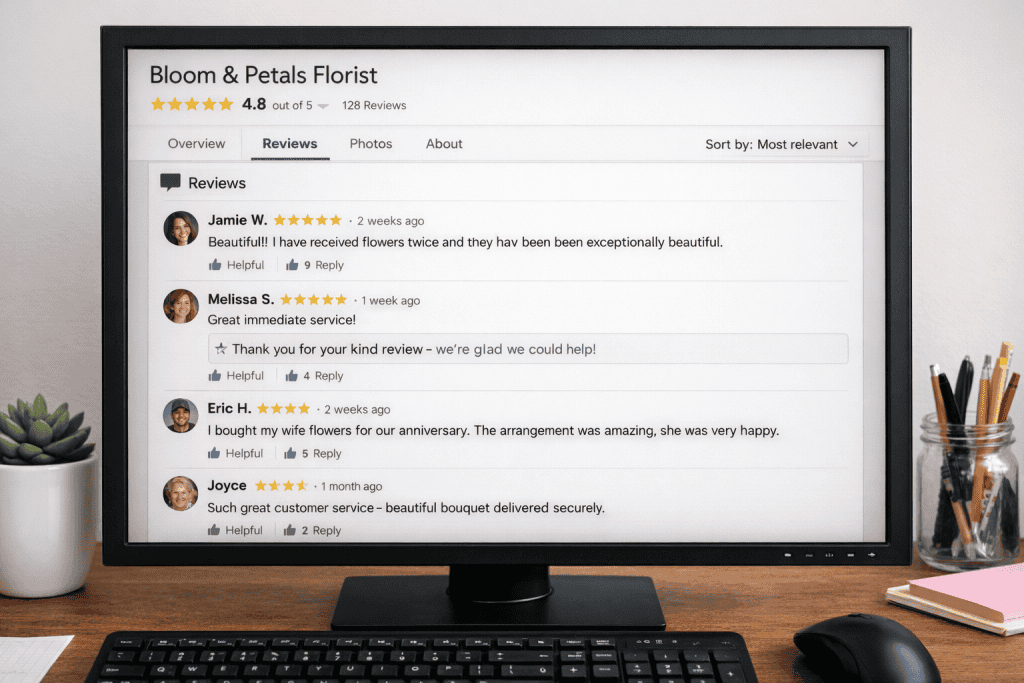
The hourglass funnel model helps us understand how customers make purchase decisions. We explore the key stages of the buyer’s journey and the role of reviews and social proof in shaping buying behaviour.
Buyer’s Journey and Decision Making
The buyer’s journey in the hourglass funnel starts with awareness and moves through education and validation before reaching the purchase stage.
At each step, customers seek different types of information to support their decision-making process.
In the awareness stage, buyers identify a need or problem. They research potential solutions during the education phase.
The validation stage involves comparing options and seeking reassurance about their choices.
We provide targeted content at each stage to guide buyers towards a purchase decision. For example:
- Awareness: Blog posts highlighting common problems
- Education: Detailed product guides and comparison charts
- Validation: Case studies and expert endorsements
Impact of Reviews and Social Proof
Reviews and social proof influence buying behaviour, especially during the validation stage. Positive feedback from other customers boosts a buyer’s confidence in their decision.
Displaying reviews prominently on product pages can increase conversion rates. Some effective ways to leverage social proof include:
- Featuring customer testimonials
- Showcasing ratings and review scores
- Highlighting product awards or certifications
User-generated content, such as photos or videos of customers using the product, builds trust and credibility.
We encourage satisfied customers to leave reviews and share their experiences. This creates a positive feedback loop that attracts more potential buyers into the funnel.
Optimising the Hourglass for Conversion
The hourglass funnel can boost sales and build loyalty when used well. We focus on key steps to turn leads into buyers and keep them happy after purchase.
Converting Leads into Customers
To move leads through the funnel, we use a mix of tactics. Clear calls-to-action on our website and ads guide people.
We test different versions to see what works best. Email marketing is vital too.
We send targeted messages based on where leads are in the funnel. For those just learning about us, educational content works well.
For those closer to buying, product demos or special offers can seal the deal. Social proof is powerful.
We show reviews, case studies, and testimonials to build trust. Personalisation is key.
We use data to tailor messages to each lead’s interests and boost conversion rates.
Enhancing Post-Purchase Experience
After the sale, we keep customers engaged and happy. This leads to repeat buys and referrals.
A smooth onboarding process is crucial. We offer clear guides and support to help new customers use our product.
This prevents frustration and builds good will. Regular check-ins show we care.
We send emails asking how things are going and if they need help. This catches issues early and shows we’re there for them.
Loyalty programmes work well. Offering points or perks for repeat purchases gives people a reason to come back.
Exclusive content or early access to new products can also keep interest high. Asking for feedback is important.
It helps us improve and makes customers feel valued. We act on this feedback to show we’re listening.
Measuring Success within the Hourglass Funnel
The hourglass funnel lets us track customer engagement across the entire journey. We focus on key metrics and strategies to optimise this model.
Key Performance Indicators
To gauge the effectiveness of our hourglass funnel, we monitor specific metrics at each stage. At the top, we track awareness metrics like website traffic and social media reach.
In the middle, we measure engagement through email open rates and content interactions. Conversion rates and average order value are crucial at the purchase stage.
Post-purchase, we focus on customer satisfaction scores and repeat purchase rates. Loyalty programmes’ participation and referral rates indicate long-term success.
We also analyse the time customers spend in each stage. This helps identify bottlenecks in the funnel.
By comparing these KPIs over time, we can spot trends and areas for improvement.
Adapting the Funnel for Continuous Improvement
Our hourglass funnel model evolves with changing customer behaviours and market trends. We regularly review our content strategy to ensure it aligns with customer needs at each stage.
This might involve updating product information, refining our messaging, or exploring new marketing channels. We use A/B testing to optimise our funnel elements.
This could include testing different landing pages, email subject lines, or checkout processes. Customer feedback is invaluable for improvement.
We conduct surveys and analyse support tickets to uncover pain points. Data-driven decisions are key.
We use analytics tools to track customer journeys and identify drop-off points. This allows us to make targeted improvements to keep customers moving through the funnel smoothly.
Frequently Asked Questions
The hourglass funnel is a key concept in modern marketing. It helps businesses understand and guide customers through their journey.
Let’s explore some common questions about this approach.
What are the key components of an hourglass funnel template?
An hourglass funnel template typically includes stages for awareness, interest, consideration, purchase, retention, and advocacy.
These steps cover the full customer lifecycle. The top part focuses on attracting new leads.
The middle narrows to the purchase decision. The bottom widens again to keep customers engaged after buying.
How does the marketing hourglass differ from traditional marketing funnels?
The marketing hourglass adds more emphasis on post-purchase stages. Traditional funnels often stop at the sale.
The hourglass model recognises that keeping customers happy is just as important as getting new ones. It aims to turn buyers into loyal fans who recommend the brand to others.
Can you describe the stages involved in the marketing funnel?
The marketing funnel usually starts with awareness. Potential customers learn about the brand or product.
Next comes interest, where they want to know more. Consideration follows, as people weigh their options.
The purchase stage is when they decide to buy. After that, retention efforts keep customers engaged.
Finally, advocacy turns happy customers into brand promoters.
What is the role of an hourglass strategy within marketing?
An hourglass strategy helps create a complete customer experience. It guides marketing efforts from first contact through long-term relationships.
This approach ensures we don’t forget about customers after they buy. It helps build lasting connections that can lead to repeat business and referrals.
Could you provide an illustrative example of a funnel strategy used in marketing?
A clothing brand might use social media ads to create awareness. They could offer a style quiz to spark interest.
Free shipping could encourage purchases. After the sale, they might send care tips to keep customers engaged.
A loyalty programme could turn satisfied buyers into brand advocates who share their experiences online.
How does body shape relate to the concept of an hourglass model in fashion marketing?
In fashion, the hourglass shape means having a defined waist. Marketers use this concept to highlight clothing that flatters this figure.
Fashion brands use the hourglass idea to show how their clothes enhance different body shapes. This helps customers imagine how items might look on them.