Facebook ads help businesses reach their target audience on the world’s largest social media platform. Many people wonder about the cost of running these ads.
The average cost per click for Facebook ads ranges from £0.21 to £0.24. The cost per 1,000 impressions is typically between £0.80 and £2.40.
These figures can vary based on your industry, target audience, and ad quality.
When you set up a Facebook ad campaign, you control your budget. You can start with as little as £1 per day or invest thousands, depending on your goals and resources.
The platform uses an auction system to determine which ads appear to users. Your actual costs may fluctuate based on competition and relevance.
Understanding the factors that influence costs helps you get the most value from your Facebook ad spend. These factors include your chosen objective, audience targeting, ad placement, and the quality of your ad content.
By optimising these elements, you can improve your ad performance and potentially lower your costs over time.
Key Takeaways
- Facebook ad costs vary widely but average £0.21 to £0.24 per click
- You can start advertising on Facebook with a daily budget as low as £1
- Optimising your ad strategy can help improve performance and reduce costs
Understanding Facebook Ad Costs
Facebook advertising costs depend on several factors. Let’s look at the key components that influence ad pricing and how ad quality affects costs.
Components of Ad Costs
The main elements of Facebook ad costs include cost per click (CPC) and cost per mille (CPM).
CPC is what you pay when someone clicks your ad. CPM is the cost per 1,000 ad impressions.
In 2024, the average CPC for Facebook ads is about £1.35. CPM averages around £4.40.
These figures can change based on your industry and target audience. Facebook uses an ad auction system to set prices.
This system looks at your bid, estimated action rates, and ad quality. Your actual cost may be less than your maximum bid.
Ad Quality and Relevance
Ad quality plays a big role in costs. Facebook gives each ad a relevance score.
Higher scores can lead to lower costs and better ad placement.
To improve your ad quality:
- Target the right audience
- Use clear, engaging content
- Make sure your landing page matches your ad
Good ad relevance helps you compete in the auction even with a lower bid.
Variations in Facebook Advertising Cost
Ad costs can change due to many factors. Time of day and seasonality affect prices.
Costs often rise during holidays or big shopping events. Your industry also impacts costs.
Finance and insurance tend to have higher costs. Food and drink are often cheaper.
Here’s a quick look at some industry benchmarks:
- Finance: £2.95 CPC
- Retail: £0.70 CPC
- Food and Drink: £0.42 CPC
Test different bidding strategies to find what works best for your budget and goals. Start with a small budget and adjust based on results.
Setting Up Your Facebook Ad Campaign
Creating a successful Facebook ad campaign involves choosing the right objectives. Targeting the ideal audience is equally important.
Choosing Campaign Objectives
Facebook offers various campaign objectives to match your advertising goals. Select objectives that fit your business needs.
For brand awareness, choose the ‘Brand Awareness’ or ‘Reach’ objectives. These help you get your message in front of more people.
If you want leads or sales, pick ‘Lead Generation’ or ‘Conversions’ objectives. These focus on getting people to take specific actions on your website.
For app installs or engagement, use the ‘App Installs’ or ‘Engagement’ objectives. These encourage users to interact with your app or content.
Your chosen objective affects how Facebook delivers your ad and measures success.
Audience Targeting Strategies
Effective audience targeting helps you get the most from your ad budget. Start with demographics like age, gender, and location.
Narrow down your audience based on interests and behaviours. This creates a more focused audience.
Use Custom Audiences to target people who have interacted with your business before. This might include website visitors or email subscribers.
Try Lookalike Audiences to find new people similar to your existing customers. This expands your reach to potential new customers.
Consider audience size. Too small, and you might limit your reach. Too large, and you risk wasting budget on irrelevant users.
Test different targeting options to see what works best for your campaigns. Adjust based on performance to improve results over time.
Optimising Ad Spend
Smart spending on Facebook ads can boost your return on investment. Let’s explore effective bidding strategies and budgeting tips for businesses of all sizes.
Effective Bidding Strategies
Use the right bidding strategy to get the most from your Facebook ad budget. Start with automatic bidding if you’re new to Facebook ads.
This lets Meta’s system optimise your bids based on your goals. For more control, try manual bidding with a bid cap.
This sets a limit on how much you’ll pay per action. You might miss out on some ad placements, but it helps keep costs in check.
Target cost bidding aims for a steady average cost per action. Choose this if you have a specific CPA target in mind.
Your bid, ad quality, and relevance all play a part in winning placements in the ad auction.
Budgeting for Different Business Sizes
Small businesses can start with a daily budget as low as £1. This can still reach hundreds of people.
As your business grows, gradually increase your budget based on performance. For medium-sized businesses, test different ad sets with varied budgets.
This helps you find the best return on ad spend (ROAS). Larger companies often use campaign budget optimisation.
This lets Facebook distribute your budget across ad sets for the best results. Always monitor your ad costs closely, no matter your size.
Look for ways to lower Facebook ad costs without sacrificing quality. Try different ad formats, refine your targeting, and refresh your creatives regularly.
Facebook’s Advertising Ecosystem
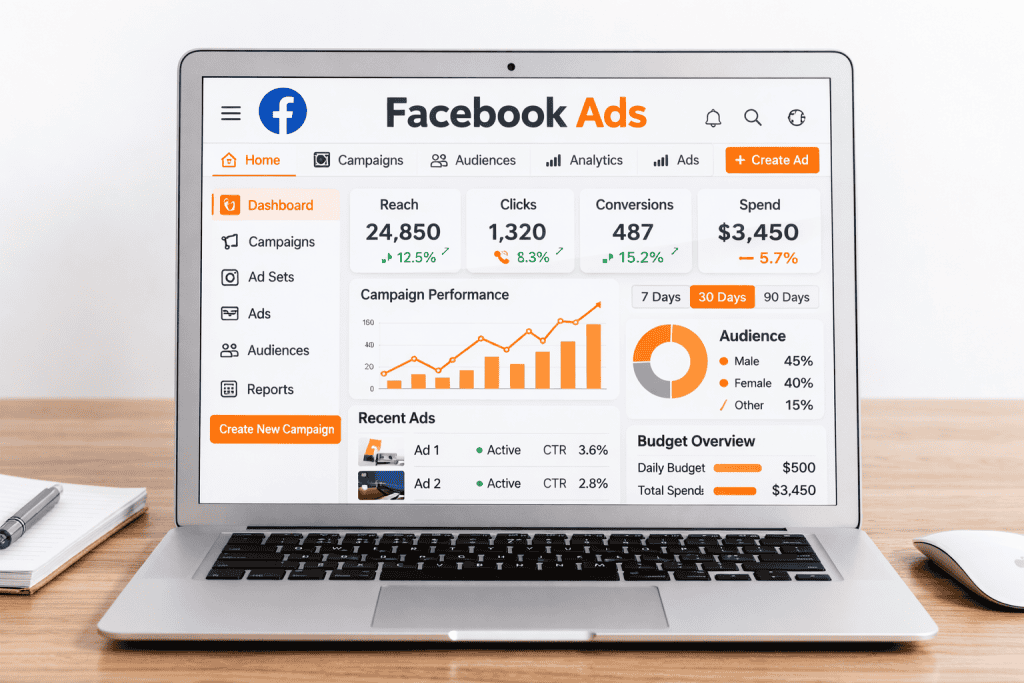
Facebook offers a wide-reaching ad platform with many options for businesses. Let’s explore how it connects with other platforms and its broad reach across Meta’s family of apps.
Platform Integrations and Ad Reach
Facebook’s Ads Manager is the central hub for creating and managing ads. It lets you target users across Facebook, Instagram, WhatsApp, and partner websites.
The platform uses an auction system to decide which ads to show. This helps keep costs fair based on demand.
Facebook has a massive user base. Your ads can potentially reach billions of people worldwide.
The platform’s AI matches your ads with users most likely to be interested. This improves your chances of getting clicks and conversions.
You can use various ad formats like image ads, video ads, and collection ads. The right format can boost engagement and sales.
Cross-Platform Advertising with Facebook
Meta owns several popular apps, giving you more places to show your ads. You can run campaigns on Instagram to reach a younger audience.
WhatsApp is another option, great for business messaging. Facebook ads often cost less than other platforms like TikTok.
The average cost per lead varies by industry but can be affordable. You can set budgets to control spending.
Tools like Emplifi help you manage ads across Facebook and other social networks. This makes it easier to run unified campaigns.
You can compare performance and adjust your strategy as needed. Cross-platform advertising lets you reach people at different touchpoints.
This can boost brand awareness and drive more sales.
Creative Strategies for Effective Ads
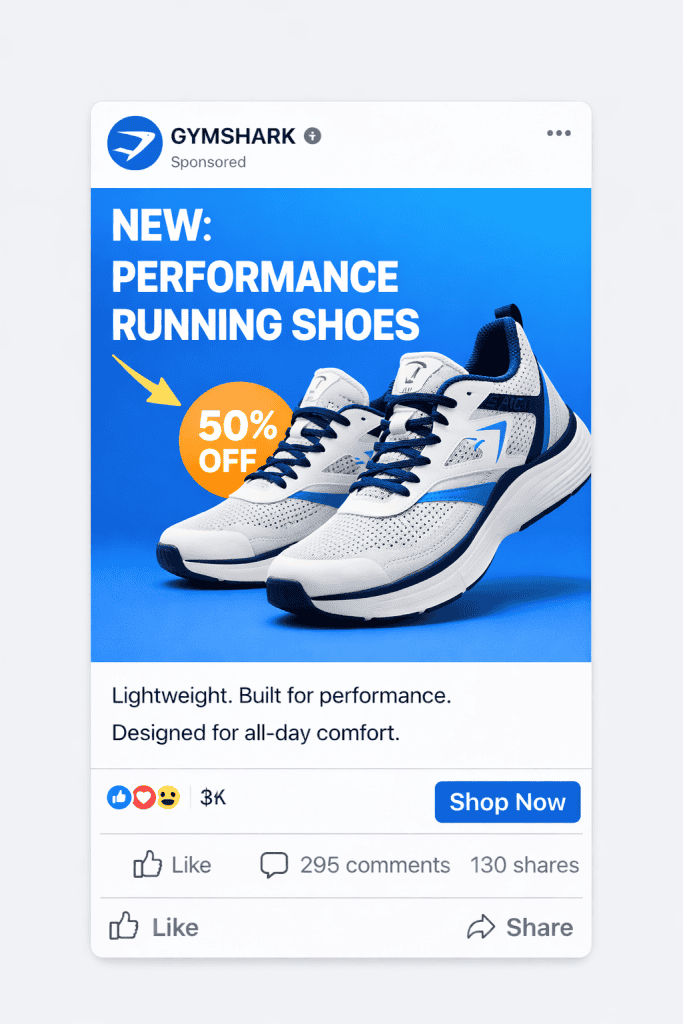
Making ads that work well on Facebook takes smart planning. Let’s look at how to design eye-catching ads and check if they’re doing a good job.
Designing Ad Creatives
To make effective Facebook ads, catch people’s eyes quickly. Short video ads often work well because they grab attention fast in a busy news feed.
Try different ad formats too. Carousel ads let you show many products, while single image ads can be simple but powerful.
Keep your ad text clear and interesting. Use words that make people want to click.
This helps improve your click-through rate. Match your ad style to your audience.
Young people might like bright, fun ads. Business people often prefer a more serious look.
Measuring Ad Performance
To know if our ads work, we need to check the numbers.
The cost-per-click (CPC) tells us how much we pay when someone clicks our ad.
In 2024, the average CPC is about £0.74.
We also look at cost per engagement.
This shows how much we pay for likes, comments, and shares.
It helps us see if people find our ads interesting.
For some ads, we care about cost per lead (CPL).
This is what we pay to get someone’s contact details.
The average CPL on Facebook is about £7.54.
We should always test different ads.
Comparing their performance helps us find out what works best for our goals.
Frequently Asked Questions
Facebook advertising costs vary based on several factors.
We’ve compiled answers to common questions about pricing to help you plan your budget.
What is the typical monthly expenditure for Facebook advertising?
Monthly Facebook ad spending can range from £100 to £10,000 or more.
Small businesses often spend £500 to £1,500 per month.
Larger companies may invest tens of thousands.
The amount depends on your goals, target audience, and competition.
It’s best to start small and adjust based on results.
On average, how much does it cost to advertise per day on Facebook?
Daily Facebook ad costs typically start at £1 per day.
Many businesses spend £5 to £50 daily for effective campaigns.
Your daily budget affects how many people see your ads.
Higher budgets usually mean more reach and potential customers.
What are the costs associated with Facebook ads on a cost-per-click basis?
Facebook ads cost an average of £0.94 per click.
This can vary widely by industry and ad quality.
Some niches may pay as little as £0.30 per click.
Competitive industries might see costs over £2 per click.
Can you estimate the expense of Facebook ads for a UK-based audience?
UK-targeted Facebook ads often cost slightly more than the global average.
Expect to pay around £1 to £1.50 per click for most industries.
Costs can be higher for competitive sectors like finance or lower for local services.
Testing different audiences can help optimise your spending.
Is investing in Facebook Marketplace advertising economically viable?
Facebook Marketplace ads can be cost-effective for selling products.
They often have lower costs per click than News Feed ads.
Businesses have achieved good results with budgets as low as £5 per day on Marketplace.
It’s especially useful for local, second-hand, or unique items.
Does a daily budget of one pound suffice for effective Facebook ad campaigns?
A £1 daily budget is the minimum for Facebook ads.
This amount can work for very small, local campaigns or testing.
For most businesses, we recommend at least £5 to £10 daily for meaningful results.
This budget gives you more impressions and helps you collect data to optimise your ads.