AI integration transforms modern marketing campaigns by adding new layers of efficiency and innovation.
Starting with a focused pilot project helps organisations test AI capabilities and refine their approach before full-scale implementation.

Setting clear goals and expectations creates the foundation for successful AI integration in marketing campaigns.
We assess our past campaign performance and identify specific areas where AI can drive improvements.
This targeted approach ensures we maximise the value of AI tools while maintaining control over our creative processes.
AI-enhanced marketing campaigns deliver better results through data-driven decision making and automated optimisation.
These tools help us create more personalised content, improve customer targeting, and streamline our workflow.
Key Takeaways
- AI tools enhance marketing efficiency through automated processes and data analysis
- A pilot project approach reduces risks and ensures successful AI implementation
- Clear goals and performance tracking maximise marketing campaign effectiveness
Understanding AI in Marketing
AI tools transform marketing by using data analysis and automation to create personalised campaigns.
They generate content and help us make smarter decisions based on customer behaviour.
AI marketing strategies help companies work more efficiently and reach their goals faster.
The Rise of AI Tools
Marketing teams now rely on powerful AI platforms to handle tasks that once took hours or days.
We use tools that analyse customer data, manage social media, and run email campaigns automatically.
These tools use machine learning to spot patterns in customer behaviour and adjust marketing strategies in real time.
AI integration with traditional marketing channels helps us create more targeted campaigns.
Key AI marketing tools include:
- Chatbots for customer service
- Email optimisation systems
- Social media management platforms
- Customer segmentation tools
Generative AI and Content Creation
Generative AI revolutionises how we create marketing materials.
We use it to write blog posts, social media updates, and email campaigns more quickly than ever before.
The technology analyses successful content patterns to create engaging new material that matches brand voice and style.
It helps us maintain consistent messaging across all channels.
Modern AI tools can:
- Draft marketing copy
- Create image variations
- Write product descriptions
- Generate video scripts
- Optimise headlines
Predictive Analytics and Decision-Making
AI-powered analytics help us make better marketing choices by forecasting trends and customer actions.
We use this data to plan campaigns that reach the right people at the right time.
Predictive models analyse past performance to suggest improvements for future campaigns.
This helps reduce waste and improve return on investment.
Key benefits include:
- Customer behaviour forecasting
- Campaign performance prediction
- Budget optimisation
- Risk assessment
- Audience targeting refinement
Crafting the Campaign Plan

A strong AI campaign plan combines data insights with personalised content delivery mechanisms.
We use AI tools to analyse customer behaviour and create targeted messaging that resonates with specific audience segments.
Incorporating Data Analysis
We use AI-powered analytics to collect and process vast amounts of campaign performance data.
This helps us make informed decisions about campaign optimisation.
Key data points we analyse:
- Customer behaviour patterns
- Engagement metrics
- Conversion rates
- Time-based interactions
- Platform preferences
Machine learning algorithms help us spot trends that would be impossible to identify manually.
We can predict which content will perform best with different audience segments.
Developing Personalised Content Strategies
AI marketing solutions enable us to create highly targeted content for different customer groups.
We analyse past interactions to understand what resonates with each segment.
Content personalisation includes:
- Product recommendations based on browsing history
- Email subject lines tailored to individual preferences
- Custom landing pages that match user interests
- Targeted social media posts for specific demographics
Utilising Dynamic Content and Chatbots
AI-powered chatbots provide real-time customer support and personalised recommendations.
They learn from each interaction to improve their responses.
Dynamic content adapts automatically based on:
- User location
- Time of day
- Device type
- Previous interactions
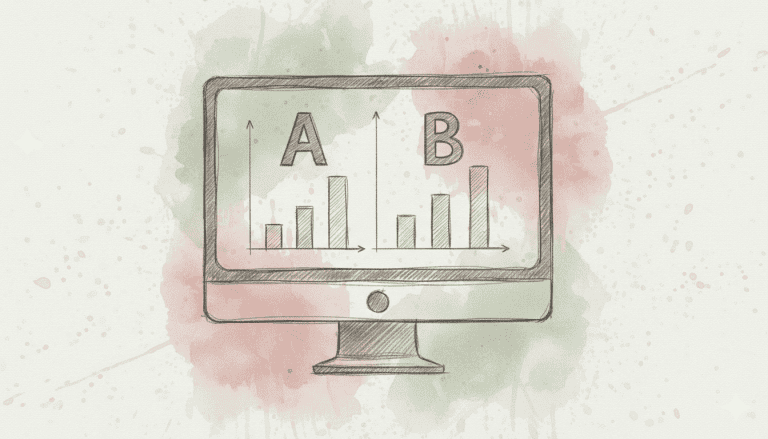
We use automated A/B testing to optimise chatbot responses and dynamic content elements.
This ensures we always deliver the most effective messaging to our audience.
Optimising Customer Engagement and Experience
AI-powered tools analyse customer data and interactions to create personalised experiences that drive meaningful connections.
These technologies help predict customer needs and automate responses while maintaining a human touch.
Leveraging AI for Enhanced Customer Interactions
AI and cloud technologies let us process vast amounts of customer data in real time.
We create tailored experiences at scale.
We use machine learning algorithms to track customer journeys across multiple touchpoints, including:
- Website interactions
- Social media engagement
- Email responses
- Purchase history
- Support tickets
Unified tracking systems help prevent message fatigue by identifying optimal times and channels for customer contact.
Sentiment Analysis and Behavioural Insights
Smart algorithms analyse customer feedback and social media posts to gauge brand perception and emotional responses.
Digital marketing platforms now use AI to spot patterns in customer behaviour.
They help us anticipate needs before they arise.
Key benefits of AI-powered sentiment analysis:
- Rapid response to negative feedback
- Identification of trending topics
- Customer satisfaction monitoring
- Product improvement suggestions
We use these insights to adjust our messaging and product offerings based on real customer preferences.
Security, Privacy, and Ethical Considerations

AI marketing tools handle sensitive customer data that requires strong protection and compliance with strict regulations.
Proper security measures and privacy practices help build trust while preventing data breaches.
Navigating Data Security in AI Applications
We implement multiple layers of security to protect AI marketing systems and customer data.
Key security measures include:
- End-to-end encryption for data in transit and at rest
- Regular security audits and penetration testing
- Access controls and authentication protocols
- Secure cloud infrastructure configuration
AI-powered marketing tools require careful handling of personal information.
Teams need clear data governance policies defining how customer data is collected, stored, and processed.
Regular staff training on security best practices helps prevent human errors that could lead to breaches.
We recommend automated monitoring systems to detect and respond to potential security incidents.
Compliance with Privacy Laws
Marketing teams must follow strict privacy regulations when using AI tools.
GDPR and other privacy laws require:
- Explicit consent for data collection
- Data minimisation principles
- Right to access and delete personal data
- Privacy impact assessments
We need transparent privacy policies explaining how AI systems use customer data.
Regular privacy audits help ensure ongoing compliance as regulations evolve.
Companies should maintain detailed records of data processing activities.
This includes documenting the types of data collected, processing purposes, and security measures in place.
Measuring Success and ROI in AI-Driven Campaigns
Campaign performance metrics and AI-powered analytics help us measure both financial returns and voter engagement success.
These metrics let us make data-driven decisions to optimise our campaigns in real time.
Evaluating Campaign Effectiveness and Performance
We track key performance indicators through AI-driven analytics to measure campaign impact.
We convert raw data into actionable insights to refine our approach.
Essential Metrics to Monitor:
- Conversion rates from digital outreach
- Cost per acquisition (CPA)
- Return on ad spend (ROAS)
- Engagement rates across platforms
AI tools analyze these metrics continuously and help us spot trends.
We adjust tactics quickly and compare AI-driven campaigns with traditional methods to measure the technology’s impact.
The Role of AI in Email Marketing and Voter Engagement
Our AI systems personalise email content and timing to maximise impact.
Smart segmentation ensures messages reach voters when they’re most receptive.
AI-powered engagement tools help us:
- Predict optimal send times
- Craft subject lines that boost open rates
- Segment audiences effectively
- Test multiple message variations
We track open rates, click-through rates, and response metrics to measure success.
AI analyses voter behaviour to improve targeting and messaging strategies.