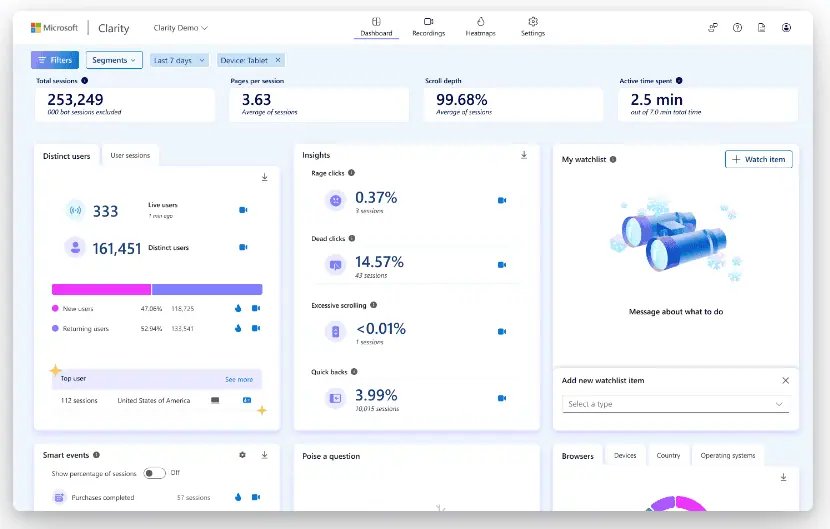
ChatGPT is revolutionising the advertising landscape. It offers marketers powerful tools to streamline campaigns and boost creativity.
This AI assistant has quickly become an invaluable resource for everything from content creation to market analysis. Marketers can use ChatGPT to generate compelling ad copy, brainstorm campaign ideas, analyse customer data, and develop personalised marketing strategies without needing extensive technical expertise.

Businesses of all sizes are embracing AI tools designed for marketing strategy to gain competitive advantages. Some marketers describe ChatGPT as an “unpaid intern who never sleeps“—always ready to assist with writing code, analysing data, or generating fresh ideas.
This technology changes not only how advertisements are created, but also how they’re targeted and optimised.
Key Takeaways
- ChatGPT can generate personalised advertising content while automating routine marketing tasks to improve efficiency.
- AI-driven advertising tools offer powerful analytics capabilities that help marketers better understand and predict customer behaviour.
- Ethical considerations around transparency and data privacy must be balanced with the creative and analytical advantages that AI brings to modern advertising.
Understanding Chat GPT in Advertising
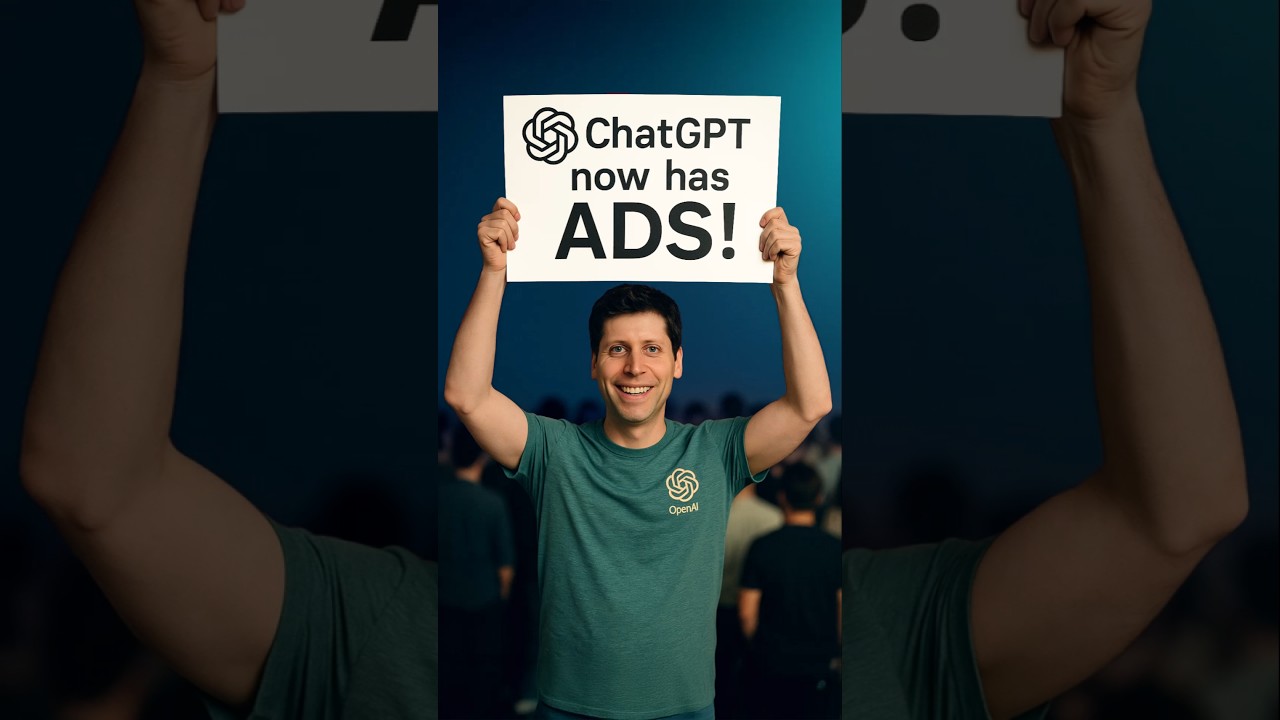
Chat GPT has revolutionised the advertising landscape through its advanced natural language capabilities and deep learning foundations. We now create, test, and deploy advertisements with AI tools that offer efficiency and personalisation.
Evolution of Chat GPT
Chat GPT began as a simple language model. It has evolved into a sophisticated advertising tool.
The latest iteration, Chat GPT-4, shows remarkable improvements in understanding context and generating human-like responses. Early versions had limited applications in marketing, but today’s models can craft compelling ad copy, headlines, and product descriptions with minimal human input.
Chat GPT has moved from basic text completion to becoming a versatile creative partner for advertisers. It can now:
- Generate multiple ad variants
- Adapt tone for different audience segments
- Create content across various marketing channels
- Optimise copy based on performance data
This evolution marks a shift from traditional copywriting methods to AI-assisted creative processes.
Chat GPT and Deep Learning
Deep Learning and Natural Language Processing power Chat GPT’s advertising capabilities. These technologies help the system understand context, sentiment, and user intent.
The model processes vast amounts of text data through neural networks. It recognises patterns in successful advertising campaigns.
This learning process enables Chat GPT to generate copy that resonates with specific audience segments. We’ve found that Chat GPT’s deep learning architecture allows it to:
- Comprehend emotional triggers in effective advertisements
- Recognise cultural nuances and references
- Adjust language complexity for different platforms
- Learn from feedback to improve future outputs
The underlying technology continues to advance. Chat GPT is now invaluable for creating professional ads that once required expensive agency services.
Benefits of Integrating Chat GPT in Advertising Campaigns
Integrating Chat GPT into advertising workflows offers substantial advantages for marketers and businesses. We’ve identified several key benefits that make this technology valuable.
Chat GPT significantly reduces the time spent on copywriting and content creation. Teams can focus on strategy and analysis.
Many businesses report production time reductions of 50-70% for standard marketing materials. Cost efficiency is another major advantage.
Small businesses can now access professional-quality ad copy without hiring dedicated copywriters or agencies. The technology also excels at scaling content production.
We can quickly generate variations for different audience segments and A/B testing scenarios. Chat GPT helps maintain a consistent brand voice across all advertising channels while allowing creative experimentation with minimal risk.
The Role of Automation in Advertising

Automation has transformed modern advertising by making complex tasks easier and more efficient. Marketers can now focus on strategic initiatives while routine operations happen behind the scenes with precision.
Streamlining Ad Operations with Automation
Automation tools are changing how advertising agencies handle daily operations. Agencies increasingly adopt automation to simplify complex tasks.
This shift reduces the manual workload of campaign management and improves accuracy. ChatGPT can automate several advertising functions, including:
- Content generation for multiple ad variations
- Customer service interactions through intelligent chatbots
- Social media management including scheduling and initial responses
- Data analysis of campaign performance metrics
When we implement automation in advertising workflows, we reduce human error and speed up campaign launches. AI tools like ChatGPT can complete work in minutes that once took days.
Customising Bidding Strategies
Smart bidding systems powered by AI can dramatically improve advertising ROI. These systems analyse vast amounts of data to make real-time bidding decisions across platforms.
We can use AI-powered marketing automation to optimise bidding strategies based on:
- Historical performance data
- User behaviour patterns
- Time-of-day effectiveness
- Device preferences
- Geographic response rates
ChatGPT can help craft the rules and parameters for these bidding strategies. It translates complex marketing objectives into actionable automation instructions.
Advertisers can set more nuanced goals beyond simple metrics. The true value comes when we combine automated bidding with human oversight, ensuring machines optimise within brand-appropriate boundaries.
Leveraging Predictive Analytics

Predictive analytics turns raw marketing data into valuable insights that guide advertising decisions. ChatGPT combined with these analytical techniques enables more precise targeting and engagement.
Predicting Consumer Behaviour
ChatGPT has changed how we analyse and predict consumer actions. By training AI on historical sales data, we can forecast future purchasing patterns with accuracy.
This allows us to tailor adverts to specific customer segments before they even recognise their own needs. We use ChatGPT to process massive datasets of consumer interactions.
The AI identifies patterns that human analysts might miss. It reveals hidden correlations between seemingly unrelated variables.
Consider these key applications:
- Trend forecasting: Identifying emerging consumer interests
- Seasonal buying prediction: Preparing campaigns ahead of demand spikes
- Churn prevention: Spotting signs of customer dissatisfaction before they leave
Machine learning algorithms can optimise campaigns for peak performance by analysing which elements resonate with specific demographics.
Enhancing Customer Engagement Through Analytics
Combining ChatGPT with robust analytics makes customer engagement strategies more refined and effective. The AI helps us move beyond basic demographics to understand the psychological triggers behind consumer decisions.
ChatGPT can analyse sentiment across social media, reviews, and customer service interactions. This gives us a comprehensive view of how audiences perceive our brand and advertising.
We can implement more sophisticated personalisation through:
- Dynamic content generation tailored to individual preferences
- Timing optimisation for when specific users are most receptive
- Channel selection based on historical engagement patterns
AI-powered predictive analytics enables us to create advertising journeys that feel intuitive to customers. Our adverts can complement their needs at the right moment.
Personalisation Strategies in Advertising

Personalisation has transformed modern advertising by creating more relevant experiences for consumers. Tailored messages consistently outperform generic campaigns in both engagement and conversion rates.
Crafting Personalised Ad Copy
Creating personalised ad copy requires understanding your audience at a deeper level. We recommend segmenting your audience based on demographics, behaviours, and psychographics to develop relevant messaging.
Chat GPT can craft messages tailored to unique psychographic profiles, making your advertising feel more human and relevant.
This approach helps establish a stronger connection with potential customers. When developing personalised ad copy, consider these elements:
- Customer pain points: Address specific challenges different segments face
- Language preferences: Match vocabulary and tone to each segment
- Cultural context: Include relevant cultural references when appropriate
We’ve seen conversion rates improve by 25-40% when ads directly address individual needs instead of using generic messaging.
Utilising Chat GPT for Targeted Messaging
Chat GPT is a powerful tool for creating targeted advertising messages at scale.
We use it to analyse consumer data and generate personalised content for specific audience segments.
AI tools like Chat GPT work best as aids rather than complete solutions.
The most effective approach combines AI-generated content with human creativity and strategic oversight.
Here’s how we implement Chat GPT in personalisation workflows:
- Feed customer data and preferences into the system.
- Generate multiple message variations for each segment.
- Test different approaches with small audience samples.
- Refine messaging based on performance metrics.
Custom GPT models analyse customer data, predict preferences, and craft messages that resonate with your target audience.
This technology helps us scale personalisation efforts without losing quality or relevance.
Case Studies of Chat GPT in Advertising

Chat GPT has changed advertising with real-world applications that show its strong impact.
Several companies have achieved impressive results by integrating this AI technology into their marketing strategies.
Google’s Use of AI in Advertising
Google uses ChatGPT-like technologies to enhance their advertising platforms.
Their AI systems help advertisers create more relevant ad copy for target audiences.
We’ve observed that Google’s implementation allows for automated content generation that maintains brand voice and saves time.
In one case study, Google’s AI tools helped advertisers improve click-through rates by 23% by suggesting more compelling headlines and descriptions.
The AI analyses past performance data to recommend optimisations.
Google’s system supports multivariate testing, so advertisers can quickly generate and test dozens of ad variations.
This process has reduced campaign optimisation time by up to 40% for many brands.
Innovations in AI-Driven Advertising
Beyond Google, companies across industries have found new ways to use ChatGPT in advertising.
An e-commerce business improved their SEO strategy with AI-generated content, resulting in a 45% increase in organic traffic.
Marketing agencies report up to 3x faster content production when using ChatGPT to draft initial ad concepts.
This lets creative teams focus on refinement instead of starting from scratch.
Email marketing campaigns have also benefited from AI personalisation.
One study showed a 28% increase in open rates when using ChatGPT to create personalised subject lines and content for different customer segments.
Social media advertisers have achieved higher engagement by using ChatGPT to craft platform-specific messaging for different audience demographics.
Key Figures in AI-Driven Advertising
Innovative leaders are shaping the AI-driven advertising landscape through new technologies and strategic implementations that drive business results.
Influential Leaders and Pioneers
The AI advertising space is led by visionaries who combine technical expertise with marketing insight.
Industry leaders like Andrew Ng have championed machine learning applications that power personalised ad targeting and customer segmentation.
Companies using these AI-driven strategies report up to 30% higher conversion rates and 25% reduced customer acquisition costs.
This performance has attracted attention from major brands worldwide.
Other notable figures include Cassie Kozyrkov, Chief Decision Scientist at Google, who has developed frameworks for responsible AI use in advertising.
Her work helps marketers balance personalisation with privacy concerns.
Profile: Sarah Friar and Her Contribution
Sarah Friar stands out as a transformative figure in AI-driven advertising.
As CEO of Nextdoor, she has changed how local businesses use AI for community-focused advertising.
Her approach combines neighbourhood data with AI-powered marketing techniques to create hyper-relevant advertising experiences.
This localised strategy works well for small businesses with limited marketing budgets.
Friar supports transparent AI practices, ensuring algorithms serve both businesses and consumers ethically.
Her team has developed models that optimise ad spend while maintaining authentic community connections.
Under her leadership, companies have documented significant improvements in campaign performance through AI tools that learn from consumer responses.
Measuring the Effectiveness of Chat GPT Ads
Assessing the impact of Chat GPT in advertising requires concrete metrics and thorough analysis.
Proper measurement helps marketers refine their approach and maximise return on investment.
Establishing Metrics for Success
When measuring Chat GPT advertising effectiveness, we first identify relevant key performance indicators (KPIs).
These metrics should align with specific campaign objectives and business goals.
Essential metrics to track include:
- Conversion rates from ChatGPT-created ads
- Click-through rates (CTR) compared to human-written copy
- Cost per acquisition (CPA)
- Engagement metrics (time on page, bounce rate)
- Ad Quality Score (especially for Google Ads campaigns)
We recommend creating a baseline before using ChatGPT-written content.
This allows for accurate before-and-after comparisons.
A/B testing is crucial—run identical campaigns with only the copy as the variable.
Analysing Performance Data
Once data starts coming in, we need systematic analysis procedures to extract insights.
The impact of AI on marketing effectiveness becomes clearer through careful data interpretation.
Data analysis should include:
- Regular performance reviews (weekly and monthly)
- Segment analysis by audience demographics
- Cross-channel performance comparisons
Look beyond surface metrics to understand the quality of engagement.
Are ChatGPT ads bringing in qualified leads?
Combining quantitative data with qualitative feedback gives the most complete picture.
Data visualisation tools help identify trends that may not be obvious in raw numbers.
Many marketing experts recommend watching for subtle patterns over time instead of making quick judgements based on initial results.
Ethical Considerations in AI Advertising
AI-powered advertising brings strong capabilities but also introduces significant ethical challenges.
These challenges directly impact consumer trust and brand reputation in today’s digital landscape.
Data Privacy and Consumer Rights
When using AI in advertising, privacy concerns should be our top priority.
Consumer data forms the foundation for AI algorithms, so we must stay vigilant about how we collect, store, and use this information.
Best practices include:
- Obtaining explicit consent before collecting personal data
- Limiting data collection to what’s genuinely necessary
- Implementing robust security protocols to prevent breaches
- Honouring consumer rights to access, correct, and delete their information
Mishandling data can damage consumer trust, which is difficult to restore.
We should consider ethical AI use that promotes inclusivity and avoids biased algorithms.
Maintaining Transparency and Accountability
AI systems often work as “black boxes” where decision-making processes remain hidden.
This lack of transparency raises ethical concerns when consumers cannot understand how or why they’re targeted.
We must strive for:
- Clear disclosure when AI is used in advertising
- Explainable algorithms that can be audited for bias
- Honest representation of AI capabilities without exaggeration
- Human oversight of AI-generated content and decisions
The risk of creating misleading content through AI is a real concern.
Generative AI can produce convincing but potentially deceptive marketing materials that might harm consumers and erode trust in brands.
Regular ethical audits of our AI advertising tools and practices help us maintain responsible standards while using these powerful technologies.
The Future of Advertising with Chat GPT
The advertising landscape is evolving quickly with AI technologies like ChatGPT leading the way.
By 2025, brands will connect with consumers in new ways through these intelligent systems.
ChatGPT will transform traditional online advertising models into more personalised experiences.
Businesses are moving away from conventional ads and adopting AI-driven approaches that engage customers better.
Industry experts predict that OpenAI might introduce advertising within ChatGPT around 2025.
This change will create new marketing channels and give brands opportunities to reach consumers during conversations.
What might these new ad formats look like?
Consider these possibilities:
- Contextual recommendations based on user queries
- Sponsored responses for relevant product suggestions
- Interactive branded experiences within the chat environment
- Personalised offers triggered by specific user intents
The most successful ChatGPT advertising will feel helpful rather than intrusive.
PR and digital marketing businesses will use ChatGPT to create seamless customer experiences that build deeper connections.
Creative innovation will be crucial.
Marketers who craft genuine, valuable content for AI-mediated conversations will thrive in this environment.
Frequently Asked Questions
ChatGPT has changed digital advertising by generating personalised content, analysing consumer data, and automating customer interactions.
Marketers are finding new ways to use this AI technology in their campaigns while handling practical and ethical considerations.
How can ChatGPT enhance digital marketing strategies?
ChatGPT helps marketers create more personalised advertising content by analysing customer data and generating tailored messages.
Engagement rates improve when teams use AI-driven personalisation instead of generic campaigns.
This technology excels at keyword research and competitive analysis.
Marketing departments use ChatGPT to brainstorm creative concepts and refine messaging strategies.
The AI generates variations of ad copy for A/B testing, allowing teams to optimise performance through data-driven decisions.
In what ways are businesses integrating GPT technologies into advertising campaigns?
Businesses use ChatGPT to power conversational chatbots that engage customers in real time.
These bots answer questions and guide users through the sales funnel.
Interactive experiences often outperform static advertisements in conversion rates.
Some companies deploy ChatGPT to create FAQ sections for products and services, addressing customer objections before they arise.
This proactive approach helps overcome purchasing hesitations.
Companies also use GPT technologies to localise advertising content for different regions and cultures, making campaigns more relevant to each audience.
What are innovative approaches to leveraging ChatGPT for content creation in marketing?
Leading brands use ChatGPT to develop dynamic content calendars that respond to trending topics and seasonal shifts in consumer interest.
This keeps content fresh and timely without constant manual updates.
Some marketers use the AI to generate complementary content for multiple platforms, ensuring consistent messaging while optimising for each channel.
The technology adapts tone and format as needed.
ChatGPT can analyse social media conversations to find emerging narratives.
This helps brands join relevant discussions with authentic contributions that feel natural.
Is it permissible to utilise ChatGPT for commercial advertising purposes?
Yes, using ChatGPT for commercial advertising is generally allowed, but users must follow OpenAI’s policies and terms of service.
The current terms permit commercial applications with proper attribution.
Human review and editing may be needed to ensure accuracy and brand alignment in ChatGPT-generated content.
This hybrid approach combines AI efficiency with human judgment and creativity.
When using ChatGPT-generated content in ads, brands should stay transparent about AI involvement, especially for ethical considerations.
How might advertising effectiveness be measured when using ChatGPT-driven campaigns?
Traditional metrics like click-through rates, conversion rates, and return on ad spend still apply to ChatGPT-driven campaigns.
These measurements help compare AI-generated content with traditional approaches.
Teams can also measure engagement quality using metrics like time spent, interaction depth, and sentiment analysis of customer responses.
These indicators show the benefits of AI-personalised content.
A/B testing different ChatGPT-generated variations gives valuable data on what resonates with each audience segment.
This process of improvement is a strong advantage of AI-assisted advertising.
Are there ethical considerations to take into account when using ChatGPT in advertising?
Transparency is paramount when using AI-generated content in advertising. We should be honest with consumers about when and how AI creates the marketing materials they encounter.
Privacy concerns can arise when training or using ChatGPT with customer data. Proper data handling and obtaining consent protect both customers and brand reputation.
The potential for generating misleading content requires vigilant oversight. Human reviewers must prevent ChatGPT from creating inaccurate claims about products or services that could mislead consumers.