In today’s digital landscape, the way we connect with audiences has evolved dramatically.
Digital PR combines traditional public relations techniques with modern digital marketing strategies to build your brand’s online presence. It goes beyond press releases to create meaningful connections with your target audience across various online channels.

A well-crafted digital PR strategy allows companies to speak directly to their target audience at any time and anywhere, creating valuable opportunities for brand growth and customer engagement.
Whether you want to improve your search engine rankings, build brand awareness, or manage your online reputation, the right approach can deliver impressive results.
By integrating content creation, media outreach, and strategic partnerships, your digital PR efforts can significantly impact your overall marketing success.
Digital PR transforms businesses when executed properly. From creating newsworthy content that journalists want to share to leveraging high-quality content across owned and earned channels, the goal remains consistent: building meaningful connections that benefit both your brand and audience.
Key Takeaways
- Digital PR creates opportunities to connect with target audiences online while simultaneously boosting your SEO performance through quality backlinks.
- Successful strategies require clear objectives, audience understanding, and creating content that journalists and your target market find genuinely valuable.
- Regular analysis of campaign performance helps refine your approach and ensures your digital PR efforts continue to support broader business goals.
Understanding Digital PR
Digital PR has transformed how brands connect with audiences in the online landscape. It combines traditional public relations principles with digital strategies to boost visibility and drive meaningful engagement across the web.
The Evolution of Public Relations
Public relations has come a long way from its traditional roots of press releases and media relations. What was once limited to print publications and broadcast media has now expanded into the vast digital realm.
Brands have adapted to new communication channels and consumer behaviours. The internet revolution changed how information flows, making communication instantaneous and global.
Traditional PR tactics still hold value, but digital components now enhance them to reach modern audiences online. People increasingly turn to websites, social media, and online publications rather than traditional outlets.
Digital PR emerged as a response to these changing dynamics.
Defining Digital PR
Digital PR is a strategic approach that helps brands build their online presence through digital channels.
Unlike traditional PR, it focuses on earning online coverage and creating digital assets that improve a brand’s visibility in search engines.
At its core, digital PR aims to:
- Secure coverage on relevant websites and online publications
- Build high-quality backlinks from authoritative domains
- Generate social media mentions and engagement
- Improve search engine rankings through strategic content placement
Digital PR is not just about getting mentions. It creates meaningful connections with online audiences and bridges the gap between traditional PR objectives and modern SEO requirements.
Benefits of Digital PR
Effective digital PR strategies deliver many advantages for businesses of all sizes.
Most importantly, they boost brand awareness by placing your company in front of relevant online audiences at the right moment.
Digital PR also enhances online visibility through improved search engine rankings. When authoritative websites link to your content, search engines view your site as more credible, potentially boosting your position in search results.
The measurable nature of digital PR gives it a distinct advantage over traditional approaches. You can track metrics like:
- Link acquisition
- Referral traffic
- Brand mention growth
- Social engagement
- SEO improvements
These tangible outcomes make digital PR an essential part of modern marketing strategies. Businesses can demonstrate clear ROI while building meaningful relationships with their target audiences.
Developing a Digital PR Strategy
Creating an effective digital PR strategy requires careful planning and a deep understanding of your goals and audience.
Let’s explore the essential components that form the backbone of successful digital PR campaigns.
Setting Clear Objectives
Setting specific objectives is the first step in any digital PR strategy.
We need to determine what we want to achieve before taking any action.
Common digital PR objectives include:
- Increasing brand awareness
- Improving search engine rankings
- Building quality backlinks
- Generating leads or sales
- Enhancing brand reputation
- Managing crisis situations
These goals should follow the SMART framework: Specific, Measurable, Achievable, Relevant, and Time-bound.
For example, instead of saying “improve online visibility,” aim to “increase organic website traffic by 20% within three months.”
It’s important to establish relevant KPIs (Key Performance Indicators) to track progress.
These might include metrics like referral traffic, backlink quality, social shares, and conversion rates.
Identifying the Target Audience
Understanding who we’re trying to reach is fundamental to developing an effective strategy.
We need to create detailed audience personas that capture their needs, preferences, and online behaviours.
Key questions to answer include:
- Where does our audience spend time online?
- What content formats do they prefer?
- Which publications and influencers do they trust?
- What problems are they trying to solve?
Demographics are important, but psychographics—attitudes, interests, and values—often provide deeper insights.
We should use analytics data, customer interviews, and market research to build accurate profiles.
This audience understanding helps us create relevant content and choose appropriate distribution channels.
It also ensures our messaging resonates with the people most likely to engage with our brand.
Crafting the Core Message
Our core message forms the foundation of all digital PR activities.
It should clearly communicate our brand’s unique value proposition and establish the tone for all communications.
Effective core messages should be:
- Authentic: Reflecting our brand’s true values and personality
- Distinctive: Standing out from competitors
- Relevant: Addressing audience needs and interests
- Consistent: Maintaining the same themes across channels
- Memorable: Using simple, clear language that sticks
We should develop primary and secondary messaging that can be adapted for different channels and audiences while maintaining consistency.
These messages build brand trust by highlighting our expertise, values, and customer benefits.
Testing these messages with small audience segments before full-scale implementation helps refine our approach and maximise effectiveness.
Content Marketing and Digital PR

Content marketing and digital PR are powerful partners in building brand visibility.
When combined effectively, they boost your online presence through strategic content creation and targeted distribution.
Content Creation for PR
Creating content specifically for digital PR requires a different approach than standard content marketing.
We focus on developing materials that journalists and online publications find newsworthy and shareable. Digital PR is all about earning online coverage and building high-quality backlinks.
Original research, data-driven insights, and expert opinions tend to perform best.
We recommend developing:
- Timely trend reports that analyse industry movements
- Infographics that present complex information visually
- Interactive tools that solve audience problems
- Expert interviews that provide unique perspectives
These formats work well because they provide genuine value to journalists looking for stories.
When creating PR-focused content, always consider the news angle first.
Integrating Content Marketing
The true power comes from aligning messaging and coordinating efforts between PR and marketing teams.
We’ve found that integration requires careful planning.
Successful integration includes:
- Unified editorial calendars that align content and PR activities
- Consistent messaging across all platforms and outlets
- Cross-departmental planning sessions to coordinate efforts
- Shared SEO objectives between content and PR teams
This integration allows your content to serve multiple purposes.
A well-researched white paper, for example, can form the basis of a PR campaign and also provide valuable SEO content for your website.
Maximising Content Reach
With great content created and teams aligned, maximising reach becomes crucial.
We need to develop effective strategies that help content reach target audiences wherever they are.
To maximise reach:
- Build targeted media lists based on audience demographics and interests
- Craft personalised pitches for different outlets and journalists
- Leverage social amplification through owned and partner channels
- Utilise influencer partnerships to extend content visibility
Tracking is essential here.
We monitor backlinks, social shares, and referral traffic to measure success.
When content performs well, we analyse why and apply those insights to future campaigns.
Trending topics offer excellent opportunities for timely content that journalists actively seek out.
Leveraging Social Media

Social media integration is essential for a successful digital PR strategy.
When we connect our PR efforts with social channels, we create a powerful ecosystem that amplifies our message and builds stronger relationships with audiences.
Choosing the Right Platforms
Not all social media platforms will deliver the same results for your digital PR campaigns.
We need to identify where our target audience spends their time online.
Facebook and LinkedIn might work well for B2B communications.
Instagram and TikTok could be more effective for consumer-facing brands.
Building relationships with influencers should be a key consideration when selecting platforms.
These content creators can extend your reach dramatically when they align with your brand values.
Consider these factors when selecting platforms:
- Audience demographics of each platform
- Content format limitations and opportunities
- Resource requirements to maintain quality presence
- Competition presence and activity levels
Track engagement metrics across platforms to refine your strategy over time.
Engaging with the Audience
Active engagement forms the cornerstone of social media PR success.
We should create supporting social posts for every PR initiative to maximise impact and reach.
When posting PR content, remember to:
- Tag relevant accounts including media outlets, partners, and featured organisations
- Use appropriate hashtags to increase discoverability
- Respond promptly to comments and messages
- Ask questions to encourage audience participation
Developing strategic partnerships with complementary brands can multiply your reach.
These collaborations often feel more authentic to audiences than traditional advertising.
Timing matters tremendously.
Schedule posts when your audience is most active, and be ready to engage in real-time conversations about trending topics relevant to your brand.
Monitoring Social Media Impact
Measuring the effectiveness of your social media PR efforts is vital for continuous improvement.
We need to track both quantitative metrics and qualitative feedback.
Key performance indicators to monitor include:
- Engagement rates (likes, shares, comments)
- Follower growth
- Click-through rates to your website
- Sentiment analysis of comments
- Mention quality (by influencers, news outlets, etc.)
Tools like Google Analytics help track how social media drives traffic to your website.
Set up UTM parameters to identify which specific campaigns generate the most interest.
Regular reporting should inform strategic adjustments.
If certain types of content consistently underperform, we should redirect resources to more effective approaches.
SEO and Link Building
Digital PR serves as a powerful bridge between traditional public relations and modern search engine optimisation.
When implemented correctly, these strategies work together to boost your online visibility and drive meaningful traffic to your website.
Understanding the Role of SEO
SEO fundamentally shapes how your website ranks in search engine results pages.
Websites with strong SEO foundations can capture significantly more organic traffic than their competitors.
This isn’t just about stuffing keywords into content.
It’s about creating value for users while signalling relevance to search engines.
Google’s algorithms now prioritise expertise, authority, and trustworthiness (E-A-T).
Digital PR techniques help cultivate this expertise and establish your brand as an authority in your field.
The technical aspects of SEO—site speed, mobile optimisation, and structured data—complement your content strategy.
Together, they create a comprehensive approach that makes your website more discoverable and user-friendly.
Implementing Effective Link Building
Link building remains one of the most powerful SEO tactics.
Digital PR is considered among the best ways to build quality links.
Quality backlinks serve as votes of confidence from other websites, signalling to search engines that your content is valuable.
Our approach to link building follows a structured methodology:
- Research: Identify relevant publications and influencers
- Content creation: Develop newsworthy, linkable assets
- Outreach: Build relationships with journalists and editors
- Placement: Secure contextual links in high-authority domains
- Follow-up: Maintain relationships for future opportunities
Digital PR link building utilises PR strategies to gain quality backlinks that support your SEO strategy.
This approach focuses on earning links through genuine media coverage.
Analysing SEO Metrics
Measuring the impact of your SEO and link building efforts is crucial for refining your strategy.
We track several key metrics to evaluate performance:
Traffic Metrics:
- Organic search traffic
- Referral traffic from backlinks
- User engagement (time on page, bounce rate)
Link Quality Indicators:
- Domain authority of referring sites
- Relevance of linking domains
- Anchor text distribution
Tracking SEO benefits allows us to demonstrate ROI and make data-driven decisions.
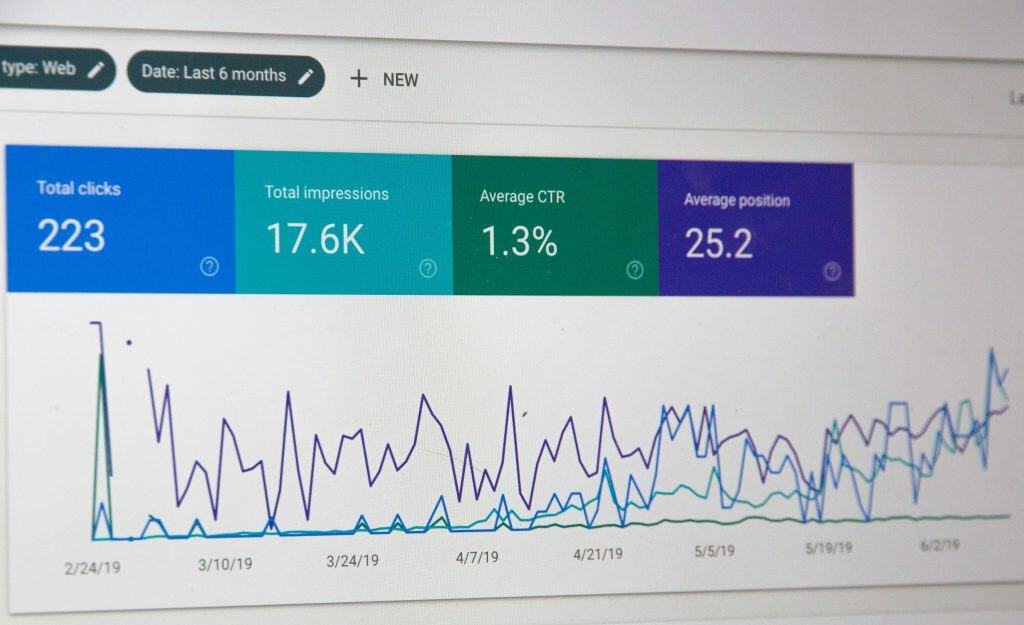
We use tools like Google Analytics, Search Console, and third-party SEO platforms to monitor performance.
Establish baseline measurements before implementing new strategies.
This enables us to accurately assess improvements and attribute success to specific tactics in your digital PR campaign.
Media Relations and Outreach
Building strong connections with journalists and media outlets is essential for any successful digital PR strategy.
Effective outreach involves creating valuable relationships, developing compelling content, and implementing targeted communication techniques.
Building Media Relationships
Creating genuine relationships with journalists and media professionals forms the foundation of successful digital PR.
Start by identifying key media contacts who cover topics relevant to your industry.
Research their previous work to understand their interests and reporting style.
Engage with journalists on social media by sharing their content and offering thoughtful comments.
This helps establish your presence before making direct contact.
Providing value first—through exclusive insights or research—works better than immediately asking for coverage.
Remember that personalized strategies are essential for modern media outreach.
Maintain a database of your media contacts, including their preferences and previous interactions.
This organised approach ensures consistency in your outreach efforts.
Crafting Compelling Press Releases
A well-written press release remains a powerful tool in digital PR.
Begin with a strong, newsworthy headline that captures attention immediately.
Follow with a concise first paragraph containing the who, what, when, where, and why.
Structure your content in order of importance, using the inverted pyramid method:
- Lead paragraph: Essential news information
- Body: Supporting details and quotes
- Boilerplate: Brief company information
Include relevant statistics and quotes from key stakeholders to add credibility.
We recommend keeping press releases under 400 words where possible.
Avoid mass pitching and instead tailor each release to the specific outlet.
Consider multimedia elements like images, infographics or video links to increase engagement.
Always include clear contact information and follow up appropriately after distribution.
Effective Outreach Techniques
Digital PR outreach requires a strategic, multi-channel approach.
Successful outreach combines several techniques:
Personalisation is non-negotiable.
Research shows journalists receive dozens of pitches daily.
Make yours stand out by referencing their recent work and explaining specifically why your story matters to their audience.
Timing matters significantly.
Tuesday through Thursday mornings typically yield better response rates than Mondays or Fridays.
Consider these outreach channels:
- Email (primary method for formal pitches)
- Social media (excellent for initial connections)
- Phone calls (use sparingly for urgent matters)
Data-driven approaches are revolutionising how we conduct outreach.
Use analytics to identify which topics, formats and timing generate the best response rates.
A successful digital PR strategy allows us to speak directly to target audiences while building valuable media relationships.
Influencer Marketing in Digital PR
Influencer marketing has become a vital component of digital PR strategies.
Working with influencers helps brands connect with targeted audiences through trusted voices that can enhance brand visibility and credibility.
Choosing Suitable Influencers
When selecting influencers for your digital PR campaigns, relevance trumps reach.
We recommend focusing on influencers whose audience demographics align closely with your target market rather than simply pursuing those with the largest followings.
Key considerations include:
- Audience alignment: Ensure the influencer’s followers match your customer profile
- Engagement rates: Look for influencers with high engagement (comments, shares) rather than just follower counts
- Content quality: Choose creators whose aesthetic and voice complement your brand
- Values match: Partner with influencers whose personal brand values align with yours
Micro-influencers (typically with 10,000-50,000 followers) often deliver higher engagement and brand trust than celebrity influencers.
Their recommendations feel more authentic and personal to their audiences.
Creating Influencer Partnerships
Successful influencer partnerships start with clear objectives and mutual benefits. Authentic collaborations deliver the best results.
Begin with a personalised outreach that shows you understand the influencer’s content and audience. Avoid generic templates that feel transactional.
Offer influencers:
- Creative freedom (within brand guidelines)
- Fair compensation (monetary or value exchange)
- Exclusive information or early product access
- Long-term relationship opportunities
Influencer marketing complements traditional PR by adding authenticity to your communications strategy. Influencers who genuinely connect with your brand create content that resonates more deeply with audiences.
Measuring Influencer Impact
Track performance metrics to optimise your influencer strategy and demonstrate ROI.
Primary metrics to monitor:
| Metric Type | Examples | Why It Matters |
|---|---|---|
| Reach | Impressions, views | Indicates audience size |
| Engagement | Comments, shares, saves | Shows audience interest |
| Sentiment | Positive/negative reactions | Reflects brand perception |
| Conversion | Click-throughs, sign-ups, sales | Demonstrates bottom-line impact |
Use unique tracking links, promo codes, or UTM parameters to attribute conversions directly to specific influencers.
Assess how influencer campaigns support broader digital PR goals, including backlinks, domain authority, and online visibility.
Analysing Digital PR Campaigns
Analysing digital PR campaigns helps you measure success and make informed improvements. Tracking the right metrics reveals campaign performance and shows what resonates with your audience.
Key Performance Indicators (KPIs)
When evaluating a digital PR campaign, focus on specific KPIs that align with your objectives. These typically include:
- Brand visibility metrics: Media mentions, social shares, backlinks
- Engagement metrics: Comments, likes, time spent on content
- Conversion metrics: Lead generation, sales, newsletter sign-ups
For backlink campaigns, track both quantity and quality using domain authority and relevance scores. High-quality backlinks often provide better ROI than a large number of low-quality links.
Create a custom dashboard to display these KPIs in real-time. Adjust your strategy during the campaign for better results.
Using Analytics for Insights
Analytics platforms help you extract insights from campaign data. Google Analytics, social media insights, and PR-specific software reveal deeper performance trends.
Segment data by:
- Traffic source
- Geographic location
- Device type
- User behaviour
Cross-referencing these segments can uncover useful patterns. For example, mobile users may engage differently with your content than desktop users, prompting device-specific optimisations.
Heat maps and user journey analysis show where visitors interact most with your content. This helps you identify which campaign elements are most effective.
Learning from Campaign Data
Turn data into actionable lessons by compiling case studies of successful and underperforming campaigns.
Ask for each campaign:
- Did we reach our target audience?
- Which content formats drove the highest engagement?
- What messaging delivered the most conversions?
Monitor competitors’ digital PR efforts to spot missed opportunities and avoid their mistakes.
Hold quarterly review meetings to discuss insights and apply lessons to future campaigns. This ongoing process refines your digital PR strategy.
Staying Ahead with Industry Trends
In digital PR, staying updated on industry trends can determine campaign success. Leveraging trends helps position clients as thought leaders and creates content that matches current audience interests.
Identifying Emerging Trends
Spot trends early to gain a competitive advantage in digital PR. Instead of immediately newsjacking, build authority by developing thoughtful, well-researched content on emerging topics.
Effective trend-spotting methods include:
- Monitoring industry publications and thought leaders
- Setting up Google Alerts for key industry terms
- Using social listening tools to track conversations
- Analysing search data for rising queries
Review data from the past 3-6 months to spot patterns others might miss. This approach helps predict which topics will gain traction, allowing clients to appear ahead of the curve.
Adapting to Market Shifts
Quickly pivoting when market conditions change is crucial for staying competitive online. Continuously assess strategy effectiveness against shifting landscapes to keep clients agile.
Key adaptation strategies for 2025:
- Integrate AI tools for faster content creation and distribution
- Adjust messaging to match changing audience values
- Develop multi-channel approaches that can be recalibrated quickly
When major shifts occur, run rapid-response workshops with clients to reassess priorities and reallocate resources. This proactive approach keeps campaigns relevant during industry changes.
Investing in Continuous Learning
Top digital PR professionals commit to ongoing education. Staying ahead in digital marketing requires learning new platforms, techniques, and best practices.
Encourage your team to:
- Attend industry conferences and webinars quarterly
- Complete at least one certification programme each year
- Participate in cross-team knowledge sharing sessions
- Experiment with new campaigns in controlled environments
This learning culture helps identify and apply emerging strategies. Test new approaches with smaller campaigns before broader implementation to minimise risk and maximise innovation.
Building and Maintaining Brand Trust
Building trust is essential for a successful PR strategy. Trust forms the foundation of strong customer relationships and influences purchasing decisions.
Creating a Trustworthy Image
To establish a trustworthy brand, put transparency at the core of all communications. Research shows that 92% of consumers trust earned media over traditional advertising, making authentic content vital.
Focus on these key elements:
- Authentic storytelling: Share your brand’s journey, including challenges
- Transparent communication: Be open about practices, pricing, and policies
- Responsive customer service: Address concerns quickly and honestly
- Ethical practices: Show your commitment to sustainable and responsible business operations
These strategies create a solid foundation for lasting relationships. When customers see your brand as genuine, they are more likely to become loyal advocates.
Utilising Testimonials and Case Studies
Leveraging social proof through testimonials and case studies validates your brand’s promises. User-generated content builds credibility that traditional marketing cannot match.
Effective approaches include:
- Video testimonials: Capture authentic customer experiences
- Detailed case studies: Show measurable results and problem-solving abilities
- Industry awards: Highlight recognition from respected organisations
- Client reviews: Encourage honest feedback across platforms
Featuring real experiences from satisfied customers helps potential clients imagine similar positive outcomes. This social proof reduces perceived risk and builds confidence in your brand.
Ensuring Consistency Across Channels
Consistent messaging across all platforms is vital for clear communication and brand recognition. Every touchpoint should reinforce your brand’s core values and promises.
We use these methods:
Unified brand guidelines: Set clear standards for voice, visuals, and messaging.
Cross-channel content strategy: Coordinate themes and timing across platforms.
Regular brand audits: Review all public-facing materials periodically.
When customers get the same experience on social media, your website, or through PR materials, it reinforces trust. Transparent PR strategies build brand loyalty by maintaining this consistency.
Our digital PR services focus on building this seamless presence, ensuring your brand speaks with one trustworthy voice at every customer interaction point.
Evaluating Digital PR Services
Finding the right digital PR support is crucial for maximising your online presence and achieving measurable results. Outsourcing and selecting the right agency requires careful consideration of factors that match your business objectives.
Deciding When to Outsource
When should you bring in external digital PR expertise? Assess your internal capabilities first. If your team lacks specialised skills in media relations or digital outreach, outsourcing is valuable.
Review your current workload and bandwidth. PR campaigns need consistent effort and monitoring, which many in-house teams cannot maintain alongside other responsibilities.
Consider outsourcing if you need fresh perspectives. External agencies often bring new approaches that internal teams may overlook.
Budget matters too. Compare the cost of hiring full-time PR specialists with agency fees, which often give you access to entire teams of experts for a fraction of the price.
Selecting a Digital PR Agency
The right agency should demonstrate proficiency in social media, SEO mastery, and content creation.
Review their case studies and ask about specific results they’ve achieved for similar businesses.
Check how they measure success. Strong agencies track more than just links—they monitor brand mentions, engagement, and conversion impacts.
Cultural fit matters. The agency should understand your industry and share your values.
Their communication style should match your expectations for transparency and responsiveness.
Ask about their media relationships. Connections with journalists and publications relevant to your industry can impact campaign success.
Technology adoption is crucial. The best agencies use advanced tools for monitoring, reporting, and analysing campaign performance.
Assessing the Value of PR Services
Measuring PR value goes beyond counting links. Focus on how services impact your overall digital presence through various online publications, blogs and social media.
Track changes in brand perception through sentiment analysis and audience feedback.
Effective PR should positively shift how people view your company.
Analyse traffic patterns from PR placements. Quality services drive not just visitors but the right visitors who engage with your content and convert.
ROI calculation should include both direct and indirect benefits. Some outcomes, like sales from PR referrals, are easily measured, while others, like improved brand authority, require more nuanced assessment.
Compare progress against benchmarks. Good PR services establish clear KPIs at the outset and provide regular reports showing movement towards these goals.
Frequently Asked Questions
Digital PR strategies often raise important questions about implementation, goals, and measurable outcomes.
These common questions help clarify how digital PR works in today’s fast-paced online environment.
How can digital PR be utilised to enhance brand reputation?
Digital PR elevates brand reputation through strategic online relationships and content placement.
We use various techniques to build credibility, including securing features in relevant online publications and managing social media presence.
Creating authentic, valuable content that resonates with target audiences helps establish authority in your industry.
When publications and influencers share your content, it creates trust signals that boost reputation.
Media relationships play a crucial role in reputation management, especially during challenging periods when crisis communications might be necessary.
What are the primary differences between digital and traditional PR?
Digital PR focuses on online presence and measurable results, while traditional PR centres on print media and broadcast channels.
The digital approach offers clearer metrics and analytics to track campaign success.
Digital PR campaigns generate faster results and allow for quick adjustments based on performance data.
We can monitor engagement, traffic increases, and conversion rates in real-time.
Another key difference is the integration with SEO and content marketing strategies.
In what ways does digital PR contribute to SEO?
Digital PR boosts SEO through quality backlinks from reputable websites.
When authoritative sites link to your content, search engines view your site as more trustworthy.
Increased brand mentions across the web improve your digital footprint and search visibility.
We find that consistent PR efforts lead to higher domain authority scores over time.
Digital PR campaigns generate relevant traffic that engages with your content.
This sends positive user behaviour signals to search engines and improves rankings and organic visibility.
Which tools are essential for a successful digital PR campaign?
Media database platforms help identify and connect with relevant journalists and publications.
Tools like Cision, Meltwater, and Roxhill provide comprehensive media contact information.
SEO analysis tools such as Ahrefs and SEMrush are vital for competitor link research and identifying link-building opportunities.
Monitoring tools like Brand24 and Mention track brand conversations and campaign performance across the web.
Social media management platforms help coordinate efforts across multiple channels.
What benefits can businesses anticipate from implementing a digital PR strategy?
Businesses gain increased brand awareness through strategic online placements.
We see improved visibility in target markets when digital PR is properly executed.
Enhanced website traffic comes from both direct referrals and improved search rankings.
Quality backlinks from PR campaigns drive immediate traffic while building long-term SEO value.
Measurable ROI is another significant benefit.
Digital PR activities can be tracked and attributed to specific business outcomes like lead generation and sales.
What qualifications are necessary to become a proficient digital PR strategist?
Strong communication skills form the foundation of successful digital PR work. Excellent writing abilities and interpersonal skills are essential for media relationships.
Digital PR strategists need technical understanding of SEO, content marketing, and digital analytics. They should know how digital PR goals and objectives fit into broader marketing strategies.
Experience with digital tools and platforms provides practical skills. Familiarity with media databases, analytics platforms, and content management systems helps execute campaigns efficiently.