Creating effective ad funnels can be challenging, especially when targeting different regions and demographics. We’ve discovered that LLMs can generate customized campaign plans that adapt to local markets while maintaining brand consistency.
By combining LLMs with targeted advertising strategies, businesses can create personalized ad funnels that increase conversion rates by generating region-specific content and customer personas.

Running LLMs locally for ad campaigns gives us complete control over data privacy and customization options. We can process customer data securely while creating tailored marketing messages that resonate with specific geographic areas and cultural preferences.
AI-powered marketing strategies are transforming how we approach digital advertising. These tools help eliminate the tedious process of manual campaign creation and optimization, making it easier for teams of any size to launch effective, localized ad campaigns.
Key Takeaways
- LLMs automate the creation of region-specific ad content while maintaining brand voice
- Local model deployment ensures data privacy and enables offline campaign management
- AI-driven optimization tools make professional-grade ad campaigns accessible to all businesses
Understanding Localized Ad Funnels

Creating targeted ad funnels that speak to specific regional audiences helps maximize conversion rates and build stronger connections with local customers. We can improve campaign performance by tailoring messaging, visuals, and offers to match local preferences and cultural nuances.
Defining Localized Ad Funnels
A localized ad funnel adapts marketing content and strategies for specific geographic regions or communities. We customize every element—from storytelling and character development to visual design and calls-to-action.
These funnels consider local:
- Language patterns and dialects
- Cultural references and values
- Shopping behaviors
- Seasonal trends
Benefits of Localizing Advertising Campaigns
Converting local audiences requires authentic connections. When we tailor content to regional preferences, we see improved results across key metrics.
Key Benefits:
- Higher engagement rates
- Increased trust and credibility
- Better conversion rates
- Lower cost per acquisition
- Stronger brand loyalty
Local content resonates more deeply because it reflects the community’s unique characteristics and needs.
Key Steps in Funnel Development
We start by researching local market dynamics and consumer behaviors. This shapes our targeting strategy and content creation approach.
Essential Development Steps:
- Analyze regional demographics and preferences
- Create region-specific buyer personas
- Develop localized content themes
- Test messaging with local focus groups
- Launch targeted campaigns by region
Our content must reflect authentic local voices while maintaining brand consistency. We regularly monitor performance metrics and adjust messaging based on regional engagement data.
Fundamentals of Large Language Models (LLMs)
Large language models represent a breakthrough in artificial intelligence that processes and generates human-like text. These AI systems learn patterns from vast amounts of training data to understand context and produce relevant outputs.
How LLMs Power Modern Ad Strategies
Local Large Language Models enable us to create personalized advertising content at scale. We can use them to generate ad copy variations, analyze customer sentiment, and adapt messaging for different audiences.
These models help us identify patterns in customer behavior and optimize ad performance through real-time analysis. We can test multiple versions of ad copy simultaneously.
The integration of LLMs into ad platforms allows for dynamic content creation that responds to user interactions and preferences. This creates more engaging and relevant advertising experiences.
Popular LLM Architectures
Different LLM architectures serve various advertising needs. The most common types include:
- Decoder-only models: Best for text generation and completion
- Encoder-decoder models: Ideal for content translation and summarization
- Hybrid architectures: Combine multiple approaches for versatile applications
Each architecture type offers unique benefits for specific advertising tasks. We can choose the most appropriate model based on our campaign goals and resource constraints.
Large Language Models and NLP
Natural Language Processing forms the foundation of how LLMs understand and process text. Advanced NLP techniques allow these models to:
- Analyze customer feedback
- Extract key themes from market research
- Identify brand sentiment
- Generate targeted advertising copy
We use these capabilities to create more effective ad campaigns that speak directly to customer needs and preferences.
Transformers and Model Performance
The transformer architecture revolutionized language model performance. This design allows for better processing of relationships between words and concepts in text.
Key performance factors include:
- Attention mechanisms: Focus on relevant information
- Parallel processing: Handle multiple tasks simultaneously
- Scalability: Process longer text sequences
Training techniques like fine-tuning and prompt engineering help us optimize model performance for specific advertising tasks.
Selecting the Right LLM for Localized Campaigns

Choosing the right LLM is crucial for creating effective localized campaigns. The model’s language capabilities, local deployment options, and cost considerations all play key roles in campaign success.
Comparing Local and Hosted LLM Options
Local LLM platforms like Ollama give us complete control over data and privacy. We can run campaigns without internet connectivity or usage fees.
Local deployment requires more technical setup and computing resources. We need a machine with sufficient RAM and GPU power to run models effectively.
Some popular local options:
- Llamafile: Easy to use, portable executables
- GPT4All: Good for basic campaign tasks
- Ollama: Excellent for customization and control
Overview of Leading LLM Providers
OpenAI’s GPT-4 and Claude offer top performance for multilingual campaign generation. These models excel at understanding cultural nuances.
Google’s Gemini provides strong region-specific keyword optimization capabilities. It helps identify local search trends and phrases.
Pricing comparison for major providers:
- GPT-4: Higher cost, best quality
- Claude: Mid-range pricing, strong performance
- Gemini: Competitive rates, good multilingual support
Evaluating Open-Source Models
Open-source alternatives like Mistral-7B and Llama 3 provide flexible solutions for localized campaigns. These models allow fine-tuning for specific markets.
DeepSeek and other Hugging Face models offer strong performance in multiple languages. We can adapt them to match local communication styles.
Key benefits of open-source models:
- Full customization options
- No ongoing usage fees
- Community support and updates
The latest versions support efficient 4-bit and 8-bit quantization for better resource usage.
Running LLMs Locally for Ad Funnels
Local LLM deployment gives us direct control over our ad funnel generation while keeping costs low and data private. Running LLMs locally eliminates cloud dependencies and lets us process customer data securely.
Setting Up Local LLM Infrastructure
We recommend starting with Ubuntu for optimal GPU support and CUDA compatibility. The setup process requires a GPU with at least 8GB VRAM for smooth operation.
LM Studio and Ollama provide user-friendly interfaces to get started quickly. These tools handle the complex backend while offering simple APIs for our ad funnel workflows.
Essential components for our setup:
- CUDA toolkit for GPU acceleration
- API server for funnel integration
- Inference engine optimization
- RAM: 16GB minimum
- Storage: 50GB+ for model files
Model Management and Customization
Quantized models help us balance performance and resource usage. 4-bit and 8-bit quantization often work well for ad copy generation while using less VRAM.
We can fine-tune models on our specific ad formats and brand voice. This creates more consistent and targeted output for our funnels.
Key management features:
- Version control for model updates
- Performance monitoring
- Custom prompt templates
- Model switching based on workload
- Response caching for repeated tasks
Regular model updates and testing ensure our ad funnels stay effective and resource-efficient.
Integrating LLMs with Automated Ad Processes
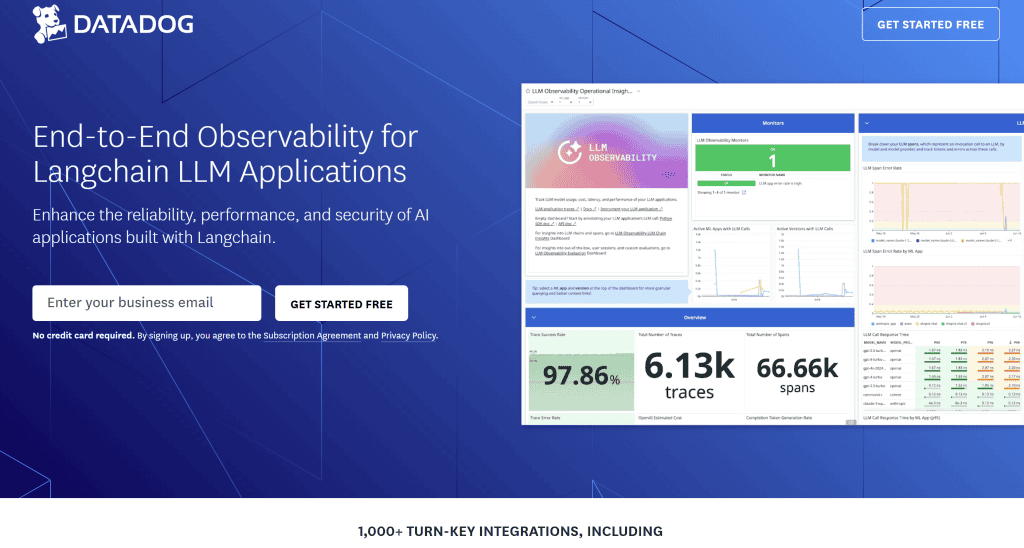
Modern LLMs serve as powerful engines for automating complex advertising workflows while maintaining personalized, targeted messaging. We can combine multiple AI tools and agents to create seamless, automated ad funnels that adapt to audience responses.
Automation of Ad Funnel Tasks
LLMs can generate variations of ad copy, email sequences, and social posts for A/B testing without manual intervention. We use LangChain to connect these components into automated workflows.
Ad funnel automation handles several key tasks:
- Content creation and optimization
- Audience segmentation
- Message personalization
- Performance tracking
- Budget allocation
The AI analyzes engagement metrics and adjusts messaging in real-time. This creates a self-improving system that gets better with each interaction.
Deploying AI Agents for Campaign Efficiency
AI agents enhance marketing strategies by monitoring campaign performance and making data-driven adjustments. These agents work 24/7 to optimize:
- Bid management
- Target audience refinement
- Creative asset selection
- Budget distribution
- Schedule optimization
We configure AI agents to work within defined parameters while giving them autonomy to make strategic decisions based on real-time data.
Connecting AI Applications and AI Tasks
Tool calling capabilities allow different AI applications to work together seamlessly. We integrate multiple systems:
Core Components:
- Content generation LLMs
- Analytics processing tools
- Audience targeting systems
- Creative asset generators
Each component communicates through standardized APIs, creating a unified workflow. The system automatically triggers appropriate tasks based on campaign performance and preset conditions.
Smart routing ensures that each AI task feeds into the next, maintaining campaign momentum and effectiveness.
User Experience and Accessibility Considerations
Creating accessible LLM-powered ad funnels requires careful attention to interface design and proper tooling. These elements work together to make localized campaigns more effective and easier to manage.
Designing User-Friendly Interfaces
User-centered design principles must guide our interface choices for LLM-driven ad funnels. We need to ensure text is clear and readable in all target languages.
Multiple input methods help users interact with our LLM systems effectively. Voice commands, keyboard shortcuts, and touch interfaces make the system more accessible.
Language attributes and image alternatives are crucial when localizing content. We must include proper lang attributes and alt text in all target languages.
GUI Tools for LLM Management
LM Studio provides an intuitive interface for managing localized ad content. Its visual workflow builder helps us map out complex funnel sequences without coding.
The drag-and-drop interface makes it simple to adjust ad variants and test different language versions. We can preview translations and cultural adaptations in real-time.
Built-in accessibility checkers scan our content for potential issues. These tools flag problems like poor contrast ratios or missing alternative text.
Progress indicators and clear error messages help team members understand system status. This reduces confusion when working with multiple language variants.
Enhancing Funnel Performance with Advanced Techniques
AI technologies enable precise targeting and personalization of ad funnels through sophisticated content generation and data processing capabilities. These tools help create highly relevant, localized experiences that boost conversion rates.
Retrieval Augmented Generation for Personalization
Retrieval augmented generation empowers us to create hyper-personalized ad content by combining real-time customer data with existing marketing materials. This approach ensures messaging stays consistent while adapting to individual preferences.
We can leverage RAG to dynamically adjust ad copy based on user behavior, location, and previous interactions. The system pulls relevant information from our content database to create targeted messages.
The key benefits include:
- Improved ad relevance through contextual understanding
- Real-time content adaptation
- Better alignment with local market needs
- Higher engagement rates through personalization
Utilizing Generative AI for Content Localization
Advanced AI tools help us create culturally appropriate variations of our marketing content. We can generate localized versions of ads while maintaining brand voice and key messaging.
Key applications include:
- Cultural context adaptation
- Language nuance preservation
- Local market alignment
Our AI systems analyze successful local campaigns to identify effective patterns and phrases. This data helps create more impactful variations for different regions and demographics.
We use automated A/B testing to refine these localized versions. This ensures optimal performance across different markets.
Security and Privacy in Localized Ad Funnels
Local LLMs offer enhanced data protection while maintaining effective ad personalization. These systems keep sensitive customer information secure through encryption and controlled access protocols.
Protecting User Data in Local Environments
We recommend implementing strong access controls and encryption for all data stored in local LLM systems. Every piece of customer information must be protected during processing and storage.
Data encryption at rest and in transit forms the foundation of a secure local ad funnel. We use industry-standard protocols to safeguard information.
Regular security audits help identify potential vulnerabilities. Our monitoring systems track access patterns and flag suspicious activities in real-time.
User consent management is crucial. We maintain detailed records of data usage permissions and ensure compliance with privacy regulations.
Privacy Advantages of Local LLM Deployment
Local LLMs eliminate the need to share sensitive data with external servers. This keeps valuable customer information within your organization’s control.
By processing data locally, we reduce exposure to network-based threats. The system operates independently of internet connectivity, enhancing security.
Local deployment allows for granular privacy controls:
- Custom data retention policies
- Selective feature activation
- Automated data anonymization
Organizations can implement stricter privacy measures than cloud-based alternatives. We maintain complete oversight of data handling processes and can quickly adjust security parameters as needed.
Future Trends in Localized Ad Funnels with LLMs
AI-powered localization is rapidly advancing with new models and tools that make ad funnels more effective across different markets and cultures. Large language models are transforming how we create and adapt marketing content for local audiences.
Emerging Models and Frameworks
The latest LLM developments show a 90% annual growth rate, bringing exciting changes to ad localization. New specialized models can analyze entire marketing campaigns instead of just individual pieces of content.
These models now understand cultural nuances and regional preferences better than ever. We’re seeing frameworks that can automatically adjust tone, imagery suggestions, and call-to-action phrases based on local market data.
Recent advances allow for real-time A/B testing of localized content variations. The models can quickly learn which approaches work best in each market.
Expanding Capabilities of LLM Tools
Modern LLM tools can create highly effective, tailored campaigns that connect with local audiences while maintaining brand consistency. These tools now offer:
Key Features:
- Multi-language campaign planning
- Cultural sensitivity checking
- Regional performance tracking
- Automated content adaptation
We can now use these tools to generate region-specific marketing funnels in minutes instead of weeks. The technology helps predict which content elements will resonate most strongly with local audiences.
Integration with popular marketing platforms makes implementation smoother and more efficient. New measurement capabilities help track performance across different regions and languages.
Frequently Asked Questions
Creating localized ad funnels with language models requires specific technical steps, careful integration with existing tools, and proper measurement of success metrics. Many marketers ask about implementation details and optimization strategies for their campaigns.
What are the essential steps to building an effective localized ad funnel using language models?
Start by defining your target audience demographics and regional preferences. This data forms the foundation of your localized approach.
We recommend gathering local language samples and cultural references to train or fine-tune the LLM for your specific market needs.
Create a clear content structure that includes ad copy variations, landing page text, and follow-up messages that reflect local language patterns and cultural nuances.
How can I integrate language learning models into my current digital marketing strategy?
Begin with AI-powered customer service chatbots to handle basic customer inquiries and collect valuable data about your audience’s needs.
Connect your LLM system to your existing CRM and marketing automation tools to maintain consistency across channels.
Test small-scale implementations before full deployment to ensure smooth integration with your current workflows.
What are the best practices for optimizing search engine performance with language learning models?
Focus on creating LLM-optimized content that aligns with modern search behaviors, as more users now rely on AI-powered search.
Use natural language processing to identify and target long-tail keywords specific to each local market.
Monitor search trends and adjust your content strategy based on real-time performance data.
In what ways can marketers leverage language models to enhance ad targeting and personalization?
Implement automated ad placement decisions through LLMs to reach the most relevant audience segments.
Create dynamic ad copy that adapts to user behavior and preferences in real-time.
Use predictive analytics to anticipate customer needs and adjust messaging accordingly.
How can I measure the success of a localized advertising campaign that utilizes language learning models?
Track conversion rates across different regional segments and compare them against traditional campaign metrics.
Monitor engagement metrics like click-through rates, time on page, and bounce rates for LLM-generated content.
Analyze customer feedback and sentiment scores to gauge the effectiveness of your localized messaging.
What are the potential challenges in implementing language learning models for creating ad funnels, and how can they be overcome?
Data privacy concerns can be addressed by implementing strict security protocols. Being transparent about data usage is also important.
Technical integration issues might arise. Maintain a dedicated technical team for troubleshooting and optimization.
Cultural misalignments can occur. It is essential to have local experts review LLM-generated content before publication.